Sign up now to join the JEGS email newsletter and be the first to learn about new products, special deals and e-mail only offers!

 5 People Found This Article Helpful


GM truck based LS engines have become some of the most popular foundations for performance builds, engine swaps, and budget horsepower projects. Among them, the LQ4 and LQ9 stand out as two of the most commonly used iron block LS engines. Both offer strength, availability, and impressive power potential, but they are not identical.
If you are deciding between an LQ4 and an LQ9 short block, understanding the differences will help you choose the right starting point for your build. This guide breaks down what separates these engines, where they are similar, and which one makes the most sense depending on your goals.
The LQ4 and LQ9 are 6.0 liter LS based V8 engines produced by General Motors primarily for trucks and SUVs in the late 1990s through the mid 2000s. Both engines share the same basic architecture and are part of the Gen III LS family.
They are commonly found in vehicles such as Silverado HD, Sierra HD, Suburban, Yukon XL, and Escalade models.
Because of their iron blocks and robust internals, both engines are frequently used for turbo builds, supercharged applications, and high horsepower street cars.
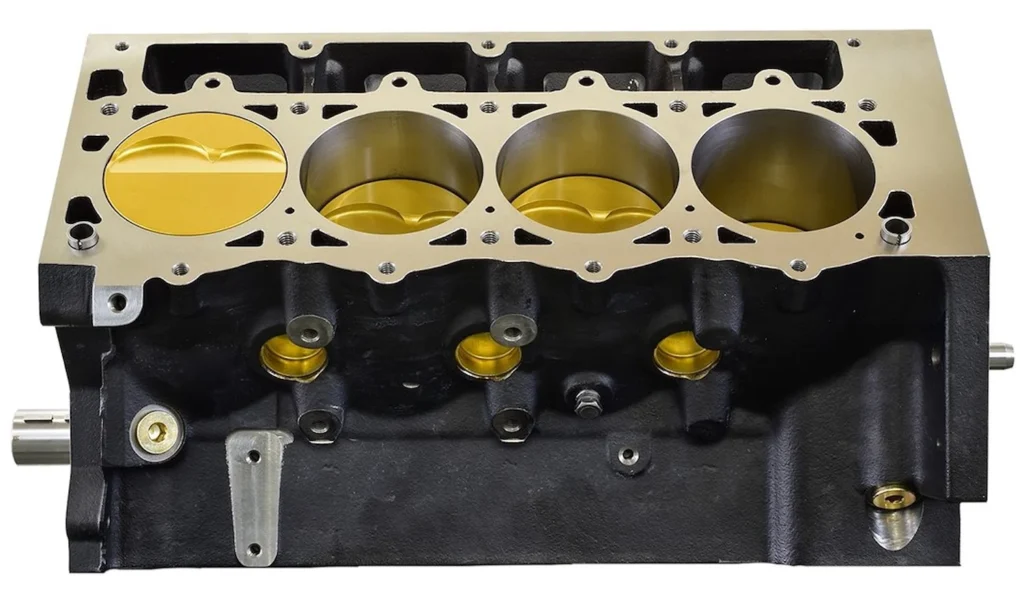
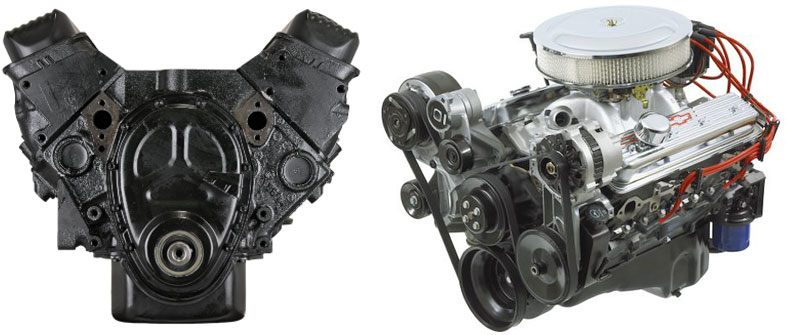
At a glance, the LQ4 and LQ9 look nearly identical, especially when stripped down to short block form.
Key similarities include:
From a strength and durability standpoint, both short blocks are known to handle significant power when properly built and tuned.
The most important difference between the LQ4 and LQ9 is compression ratio.
The LQ4 typically features a compression ratio around 9.4 to 1. This lower compression was designed for work truck duty, reliability, and tolerance of lower octane fuel.

The LQ9 has a higher compression ratio, generally around 10.1 to 1. This higher compression is achieved through different piston design and is one of the reasons the LQ9 was used in performance oriented luxury trucks like the Cadillac Escalade.
That compression difference directly affects power output, throttle response, and fuel requirements.
From the factory, the LQ9 made more horsepower than the LQ4 due largely to its higher compression.
Typical factory ratings were:
These numbers are not critical when discussing short blocks, but they highlight the performance advantage of the LQ9 in stock form.
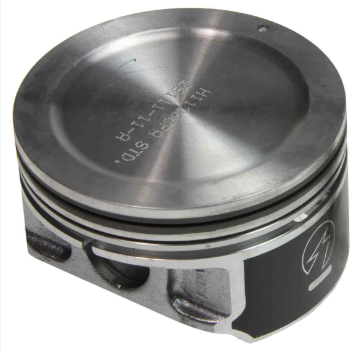
Both engines use powdered metal connecting rods and cast pistons from the factory, but the piston design differs slightly.
LQ4 pistons have deeper dishes to lower compression. LQ9 pistons are flatter, which increases compression.
In short block form, this matters if you plan to reuse factory pistons versus upgrading to forged components.

The LQ4 is often easier to find and typically costs less on the used market. Its lower compression makes it more forgiving for boost applications and pump gas builds.
Benefits include:
For builders planning forced induction, the LQ4 is often the preferred starting point.
The main downside of the LQ4 is reduced power in naturally aspirated form compared to the LQ9.
To match LQ9 power levels without boost, additional modifications such as higher compression pistons or aggressive camshaft profiles may be required.
Sign up now to join the JEGS email newsletter and be the first to learn about new products, special deals and e-mail only offers!
The LQ9 offers more power potential out of the box for naturally aspirated builds thanks to its higher compression.
Benefits include:
If you plan to stay naturally aspirated or run only mild boost, the LQ9 can be an excellent choice.
Higher compression means less margin for error with fuel quality, tuning, and boost levels.
Potential downsides include:
Builders planning high boost levels often prefer to start with a lower compression platform.

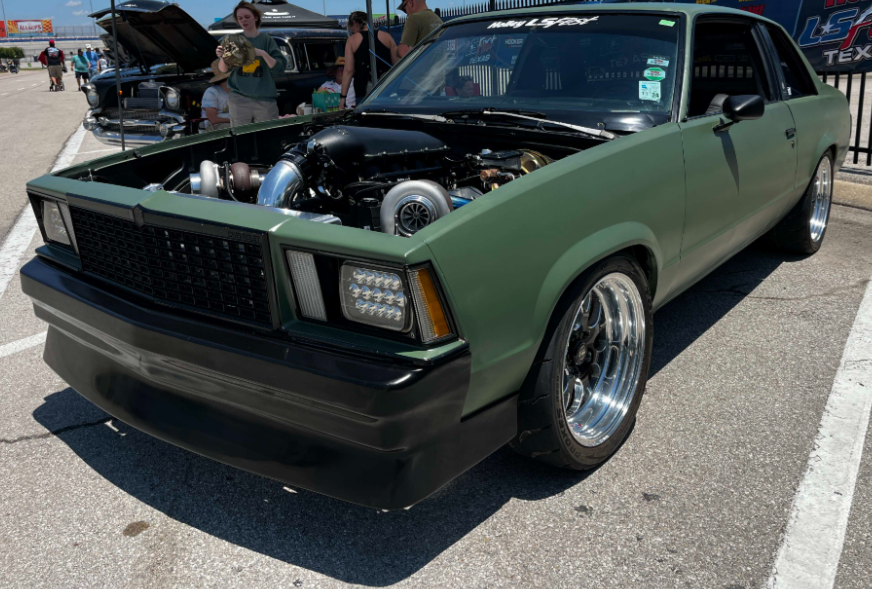
For turbocharged or supercharged builds, the LQ4 usually has the edge.
The lower compression ratio allows more room for boost before encountering detonation. This gives tuners more flexibility and reduces stress on components.
That said, many LQ9 engines have successfully handled boost with proper tuning and supporting upgrades. The margin for error is simply smaller.

For naturally aspirated street and strip builds, the LQ9 is typically the better choice.
Higher compression improves cylinder pressure, throttle response, and overall power without needing forced induction. Pairing an LQ9 short block with a quality camshaft, cylinder heads, and intake can produce impressive results.
Both LQ4 and LQ9 iron blocks are known to handle significant horsepower.
With factory internals, safe limits often fall in the 500 to 600 horsepower range depending on tuning and use.
With forged pistons and upgraded rods, these blocks have supported four digit horsepower builds. At that point, block strength is rarely the limiting factor.

LQ4 engines were produced in higher volumes, making them more common and affordable on the used market. LQ9 engines are less common and often command a premium.
If budget is a major factor, the LQ4 usually offers better value as a starting point.
When comparing LQ4 and LQ9 options, consider whether you are buying a short block, long block, or complete engine.
A short block decision makes the compression difference more important, since heads and camshaft choices will come later.
If you plan to rebuild with forged internals, the original piston design matters less.
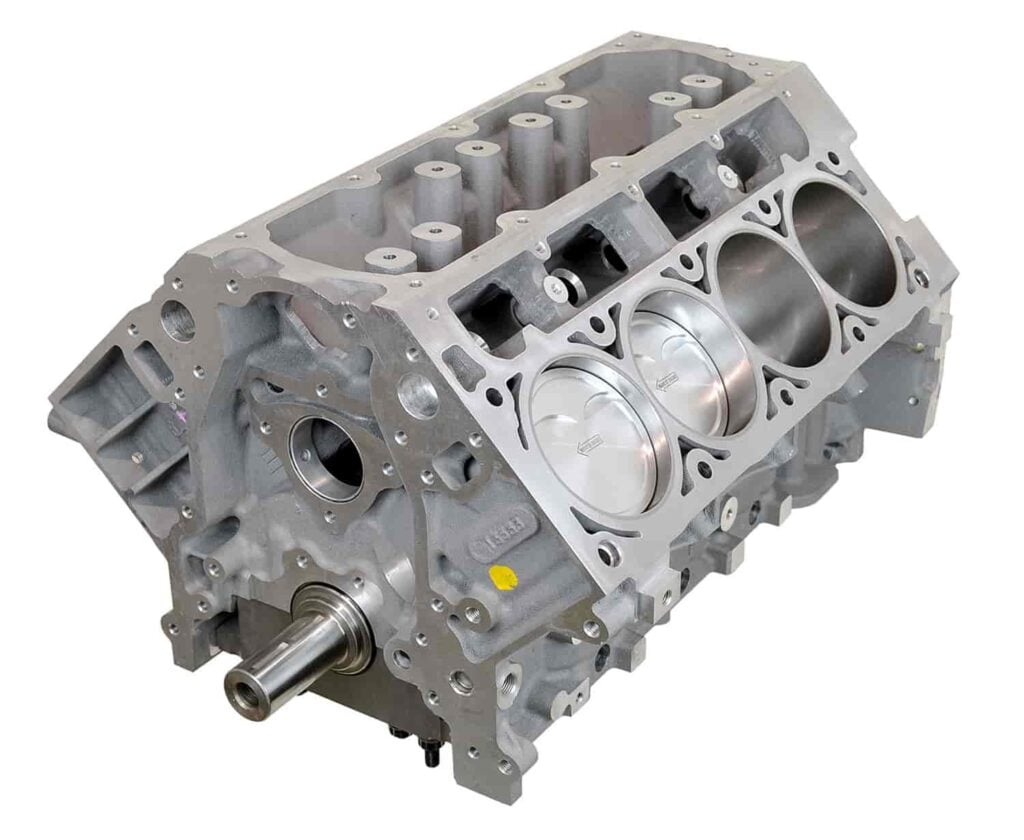

Both engines enjoy massive aftermarket support. Camshafts, cylinder heads, rotating assemblies, and swap components are widely available.
Brands carried by JEGS offer everything needed to build either platform to meet street, strip, or race goals.
So which is right for you, LQ4 or LQ9?
Choose the LQ4 if you plan to run boost, want lower upfront cost, or prefer a forgiving tuning window. It is one of the most popular turbo LS foundations for a reason.
Choose the LQ9 if you want strong naturally aspirated performance, quick throttle response, and higher compression without internal upgrades.
Both short blocks are excellent foundations, and either can deliver outstanding results when matched to the right combination.
Explore LS short blocks, internal components, and performance upgrades at www.jegs.com and start building the engine that fits your goals the right way.


Good

Hi I’m building a 416 stoker from a lq9 what set up would u run heads can intake etc ?

Michael, a 416 built from an LQ9 is a strong foundation and can make serious power with the right combination. Since the LQ9 is a 6.0 iron block with flat top pistons from the factory, once you go to a 4.00 inch stroke for a 416 you will typically be pairing it with forged rotating components, so the rest of the setup really depends on your goal for the car. For a naturally aspirated street and strip build, I like a good set of aftermarket cathedral port aluminum heads from brands like Trick Flow or AFR that are designed for LS cathedral port applications. They offer improved airflow over stock 317 or 243 castings and really wake up a stroker. If you are staying cathedral port, matching the intake is important, so something like a FAST LSXR style intake or a Holley EFI cathedral port intake works well depending on your rpm range. Cam selection is going to drive the personality of the engine, so that needs to match your compression ratio, converter, gearing, and whether the car is street only or sees track time. For a 416 that is street driven, a hydraulic roller cam with strong midrange torque usually makes the car more enjoyable than chasing peak rpm. If you are planning boost, that changes the head and cam conversation quite a bit and you would typically lean toward a head that supports good flow without excessive compression. Without knowing if this is naturally aspirated or boosted, what vehicle it is going into, and your intended rpm range, any exact recommendation would just be a starting point. If you would like to go over your goals and build plan in detail, give us a call at 1-800-345-4545 and speak with a Tech Specialist and we will be glad to help.



Leave a Reply