Sign up now to join the JEGS email newsletter and be the first to learn about new products, special deals and e-mail only offers!

 3 People Found This Article Helpful
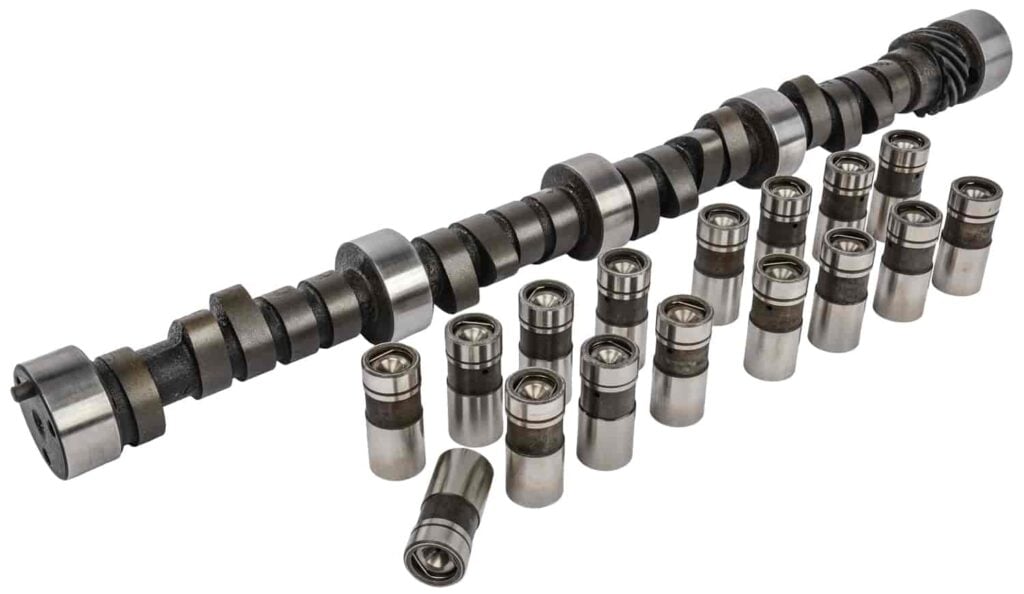

Few engine components have as much influence on performance, drivability, and personality as the camshaft. Whether you are building a mild street cruiser, a weekend track car, or a full race engine, the camshaft plays a central role in how your engine breathes and how it delivers power.
For many enthusiasts, camshaft terminology can feel overwhelming. Solid versus hydraulic. Flat tappet versus roller. Street friendly versus race only. This guide breaks down the main camshaft types used in domestic engines, explains how they work, and helps you understand which style makes sense for your build.
This article focuses primarily on popular domestic platforms such as small block Chevy, big block Chevy, LS, Ford Windsor, and Ford Modular engines, while also covering principles that apply to many four and six cylinder domestic engines commonly found in US performance builds.
At its core, a camshaft controls when the engine’s valves open and close. The lobes on the camshaft push against lifters, which in turn actuate pushrods and rocker arms in pushrod engines, or act directly on valves in overhead cam designs.
The shape of each cam lobe determines valve lift, duration, and timing. These characteristics influence airflow into and out of the engine, which directly affects horsepower, torque, idle quality, and engine efficiency.
Choosing the right camshaft is about matching these characteristics to your engine combination, driving style, and intended use.
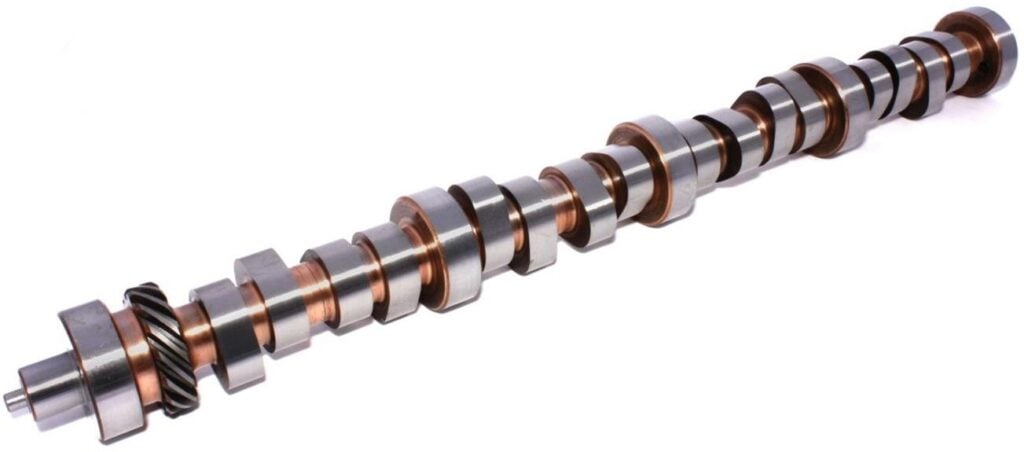
Before diving into camshaft types, it helps to understand engine architecture.
Most classic and modern American V8 engines such as small block Chevy, big block Chevy, LS, and Ford Windsor engines use a camshaft located in the engine block. These are pushrod engines.
Ford Modular engines and many four and six cylinder domestic engines use overhead cam designs, where camshafts are located in the cylinder heads. While the physical layout differs, many camshaft principles remain the same.
This article focuses on camshaft types commonly discussed in pushrod engine builds, since that is where solid, hydraulic, flat tappet, and roller terminology is most relevant to JEGS customers.


One of the most important distinctions in camshafts is whether they use flat tappet or roller lifters.
Flat tappet camshafts use lifters with a flat contact surface that rides directly on the cam lobe. These were standard equipment in many older engines and are still used in certain applications today.
Flat tappet cams are commonly found in classic small block and big block Chevy engines, early Ford V8s, and vintage performance builds.
Advantages of flat tappet camshafts include lower cost and simplicity. They are often chosen for period correct restorations or budget performance builds.
However, flat tappet cams require careful break in procedures, proper oil selection with adequate zinc content, and precise spring pressures. Failure to follow break in procedures can result in rapid camshaft wear.

Roller camshafts use lifters with small roller wheels that ride on the cam lobes. This rolling contact reduces friction and allows for more aggressive cam profiles without excessive wear.
Most modern performance engines, including LS and many late model Ford engines, come factory equipped with roller camshafts.
Advantages of roller cams include improved durability, higher potential lift and duration, better idle quality for a given power level, and less sensitivity to oil chemistry compared to flat tappet designs.
Roller camshafts typically cost more than flat tappet setups, especially when converting an older engine that did not originally use roller lifters. Despite the cost, many builders see roller cams as a worthwhile investment for long term reliability and performance.

Another key distinction is whether a camshaft uses hydraulic or solid lifters. This affects maintenance, noise, and performance characteristics.
Hydraulic camshafts use lifters that automatically adjust valve lash using engine oil pressure. This self adjusting feature makes hydraulic cams popular for street driven vehicles.
Hydraulic cams are known for quiet operation, reduced maintenance, and consistent performance over time. They are commonly used in daily drivers, street performance builds, and mild to moderate race applications.
Hydraulic camshafts are available in both flat tappet and roller configurations. Hydraulic roller camshafts are especially popular in modern performance engines due to their combination of power potential and street friendly behavior.

Solid camshafts use lifters that do not self adjust. Valve lash must be set manually and checked periodically. This allows for precise control of valve motion at high engine speeds.
Solid cams are often used in racing applications where maximum performance is the priority. They can handle higher RPM levels and more aggressive cam profiles compared to hydraulic designs.
Solid camshafts can be flat tappet or roller. Solid roller camshafts are common in serious competition engines but are generally not recommended for long term street use due to maintenance requirements and component wear.

Sign up now to join the JEGS email newsletter and be the first to learn about new products, special deals and e-mail only offers!
Understanding how these categories overlap helps clarify camshaft selection.
Hydraulic flat tappet cams are a traditional choice for classic muscle cars and budget builds. They offer improved performance over stock cams while maintaining good street manners.
These cams are often used in carbureted small block Chevy and Ford Windsor engines where originality or cost is a factor. Proper break in and oil selection are critical for long term success.
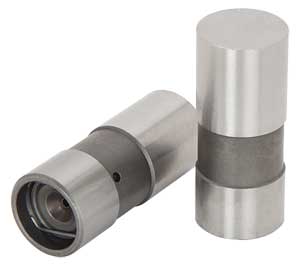
Hydraulic roller cams are one of the most popular choices for modern street performance builds. They offer excellent drivability, strong power gains, and long service life.
LS engines, late model small block Chevys, and many Ford performance engines benefit greatly from hydraulic roller camshafts. Brands such as COMP Cams, Lunati, Edelbrock, and Tick Performance offer a wide range of hydraulic roller options available at JEGS.

Solid flat tappet cams are often found in older race engines and vintage competition builds. They can provide strong high RPM performance but require regular lash adjustments and careful maintenance.
These cams are less common in modern street builds but still have a place in certain racing classes and traditional setups.

Solid roller cams represent the high end of camshaft performance. They allow for aggressive lobe designs, high lift, and extended RPM capability.
These cams are commonly used in drag racing, circle track, and other competition engines where maximum power is required. Solid roller camshafts demand high quality components and regular inspection.

Selecting the right camshaft involves balancing several factors.
Street driven vehicles benefit from hydraulic cams that prioritize drivability and vacuum for accessories. Track focused builds may lean toward more aggressive profiles.
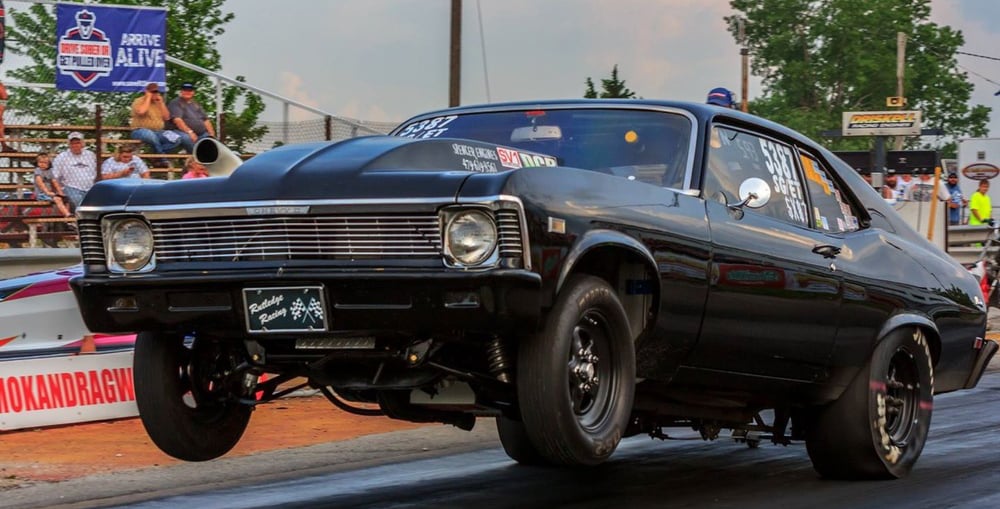
Compression ratio, cylinder head flow, intake design, exhaust system, and gearing all influence camshaft choice. A cam that works well in one engine may perform poorly in another.
Heavier vehicles and tall gearing often require cams that emphasize low and mid range torque. Lighter vehicles with aggressive gearing can take advantage of cams that favor higher RPM power.

Hydraulic cams require less upkeep, while solid cams demand regular adjustments. Be honest about how much maintenance you are willing to perform.
JEGS carries a wide selection of camshafts from trusted manufacturers.
COMP Cams offers one of the most extensive camshaft lineups in the industry, covering everything from mild street cams to full race profiles.
Brian Tooley Racing (BTR) camshafts are engineered specifically for LS and late model GM engines, with profiles developed through extensive dyno testing and real world racing experience.
Lunati camshafts are known for their strong performance characteristics and are popular in both street and race applications.
Crower camshafts are known for precision manufacturing and race proven designs, making them a trusted choice for high RPM and competition focused engine builds.
Edelbrock camshafts are designed to work seamlessly with their intake and cylinder head packages, making them a solid choice for matched component builds.
Isky Racing Cams has a long history in motorsports, offering camshafts developed for serious performance enthusiasts and competitive racing applications.
JEGS brand camshafts deliver reliable performance and value, making them a popular option for street performance builds and budget conscious engine projects.
Tick Performance specializes in camshafts for LS and late model performance engines, with profiles developed through real world testing and competition use.
Melling camshafts are built with a focus on OE quality and reliability, making them a solid choice for stock replacement and mild performance upgrades.
Howards Cams produces a wide range of camshafts for street, strip, and race applications, with a strong reputation for consistent performance and durability.
All of these brands are available at JEGS, making it easy to find a camshaft that fits your engine and goals.

Understanding camshaft types is a critical step in building a successful engine. Flat tappet versus roller and hydraulic versus solid choices each bring unique advantages and tradeoffs.
By matching the camshaft to your engine platform, driving style, and performance goals, you can unlock power, improve drivability, and build an engine that performs exactly how you want it to.
Explore camshafts and valvetrain components available at www.jegs.com and take the next step toward dialing in your engine the right way.



Leave a Reply