Sign up now to join the JEGS email newsletter and be the first to learn about new products, special deals and e-mail only offers!

 2 People Found This Article Helpful
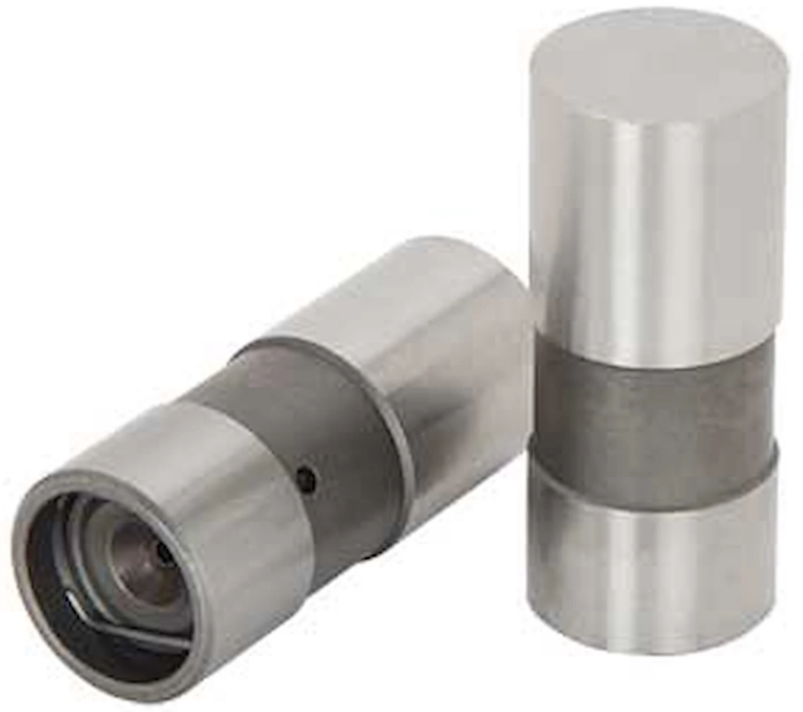

Hearing a lifter tick sound from your engine can be frustrating and concerning. That rhythmic ticking noise coming from the top of the engine is often related to the valvetrain, specifically the lifters. While some lifter noise can be minor, persistent ticking may indicate a problem that should not be ignored.
Understanding what causes lifter tick and how to diagnose it can help you protect your engine and restore smooth performance.
Engine lifters, also known as tappets, sit between the camshaft and pushrods in many overhead valve engines. Their job is to maintain proper valve lash and transfer camshaft motion to the valves.
A lifter tick sound usually occurs when a lifter is not maintaining proper hydraulic pressure or clearance. This creates a small gap in the valvetrain that produces a ticking or tapping noise.
The sound often increases with engine speed and may be more noticeable when the engine is cold.

Low oil pressure is one of the most common causes of lifter tick. Hydraulic lifters rely on engine oil to maintain proper clearance. If oil pressure is low or oil passages are restricted, lifters may not pump up correctly.
Dirty or contaminated oil can also cause lifters to stick. Sludge buildup may prevent proper lifter operation.
Worn lifters, pushrods, or rocker arms can create excessive clearance and noise. In high mileage engines, normal wear may eventually lead to ticking.
Improper valve lash adjustment in engines with adjustable valvetrains can also cause noise.
Some engines produce a brief lifter tick on cold start that disappears as oil pressure builds. In many cases, this is normal, especially in high mileage engines.
However, if the ticking continues after the engine warms up, further inspection is recommended.
Using the correct oil viscosity for your engine can help minimize cold start noise.

Sign up now to join the JEGS email newsletter and be the first to learn about new products, special deals and e-mail only offers!
Start by checking engine oil level and condition. Low or dirty oil can contribute to lifter noise.
Verify oil pressure with a gauge to ensure it meets manufacturer specifications. If pressure is low, investigate possible causes such as a worn oil pump or clogged pickup screen.
Listen carefully to determine the location of the ticking. A mechanic’s stethoscope can help pinpoint whether the noise is coming from the top end of the engine.
If necessary, remove the valve covers to inspect rocker arms, pushrods, and lifters.
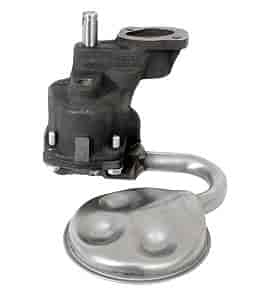
In some cases, changing the oil and filter with high quality oil can resolve minor lifter noise. Oil additives designed to clean internal engine components may help if sticking lifters are the cause.
If a lifter is worn or damaged, replacement is typically required. It is often recommended to inspect related components such as camshaft lobes, pushrods, and rocker arms at the same time.
Addressing the issue early can prevent more serious engine damage.

Regular oil changes using the correct viscosity and quality oil are the best way to prevent lifter problems. Keeping oil passages clean ensures hydraulic lifters receive proper lubrication.
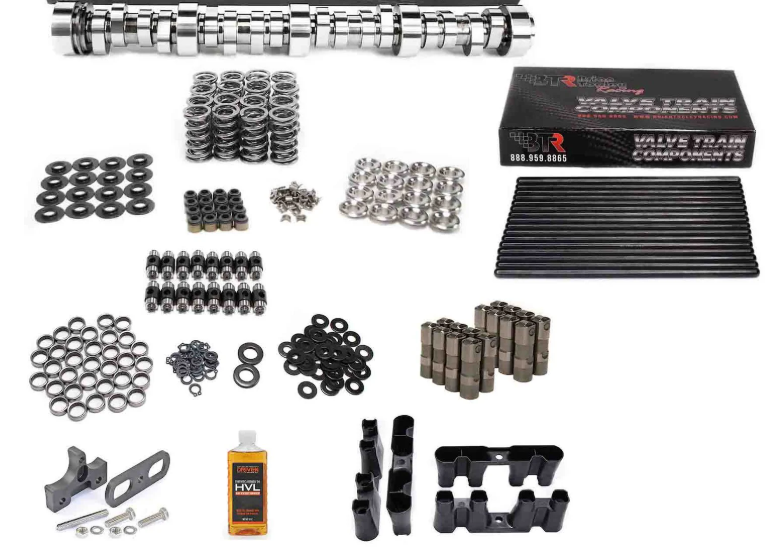
Upgrading to quality lifters and valvetrain components during engine builds can improve durability and reduce the risk of future noise.
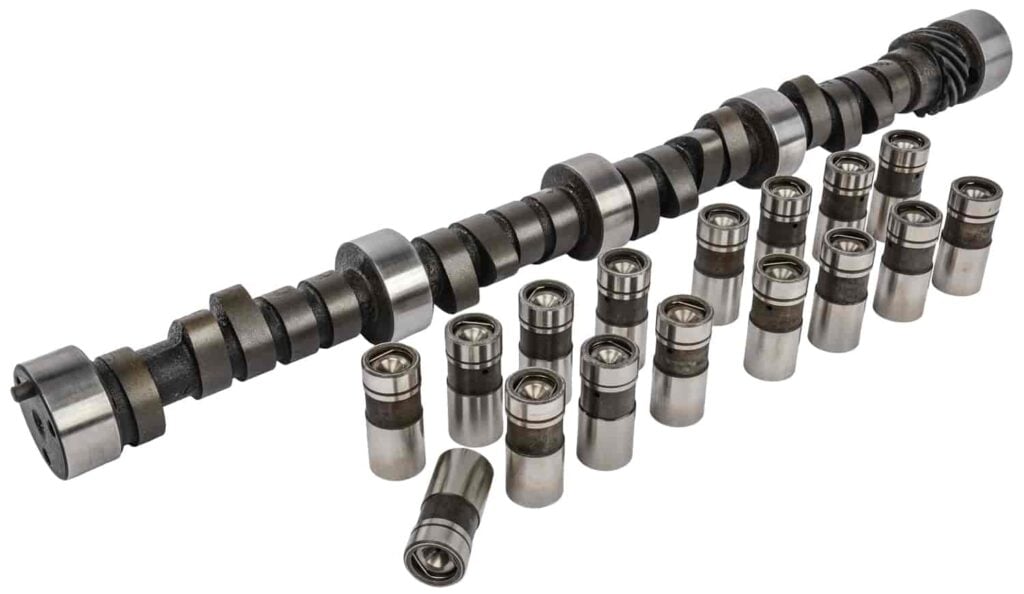
If you are dealing with a lifter tick sound or planning a valvetrain upgrade, using reliable components is essential for long term performance.
At www.jegs.com, you will find hydraulic lifters, pushrods, rocker arms, camshafts, and complete valvetrain kits for a wide range of engine platforms.
If you need help diagnosing lifter tick or selecting the right replacement parts for your engine, the JEGS Tech Specialists are available to help you choose components that restore smooth and reliable operation.



Leave a Reply