Sign up now to join the JEGS email newsletter and be the first to learn about new products, special deals and e-mail only offers!

 3 People Found This Article Helpful


Upgrading the camshaft is one of the most effective ways to increase horsepower in a performance engine. For many builders, COMP Cams is one of the first brands considered due to its wide selection, proven designs, and strong reputation in both street and race applications.
A common question that comes up during engine planning is simple: how much horsepower does a COMP cam add? The answer depends on several factors, including engine type, supporting components, and how aggressive the camshaft is. This guide explains what kind of horsepower gains are realistic and what influences the final results.
The camshaft controls how air moves through the engine. By changing valve lift, duration, and timing, a camshaft can significantly increase airflow. More airflow allows the engine to burn more fuel efficiently, which results in increased power.
Factory camshafts are designed to balance emissions, fuel economy, idle quality, and longevity. Performance camshafts sacrifice some of those compromises in favor of improved airflow and higher RPM capability.
COMP Cams designs camshafts to target specific performance goals, from mild street improvements to full race power levels.

There is no single horsepower number that applies to every build, but there are common ranges based on application.
A mild COMP Cams hydraulic camshaft in a mostly stock engine can add approximately 15 to 30 horsepower. These cams are designed to improve throttle response and mid range power while maintaining good drivability and idle quality.
Examples include mild hydraulic flat tappet or hydraulic roller cams in small block Chevy or Ford Windsor engines.
In a well matched street performance build with supporting upgrades, COMP camshafts often add 30 to 60 horsepower.
These gains typically come from increased lift and duration combined with upgraded intake manifolds, exhaust systems, and tuning. Idle quality may become more aggressive, but drivability remains manageable.
Aggressive COMP camshafts designed for street and strip use can add 60 to 100 horsepower or more when paired with the right combination.
These cams require supporting modifications such as higher compression, upgraded cylinder heads, stronger valve springs, and proper tuning. Power gains are most noticeable at higher RPM ranges.
Race oriented COMP camshafts can deliver even greater gains, but the results depend heavily on the engine combination and intended use.
In dedicated race engines, camshaft changes alone can account for triple digit horsepower increases when optimized for airflow, RPM, and fuel delivery.
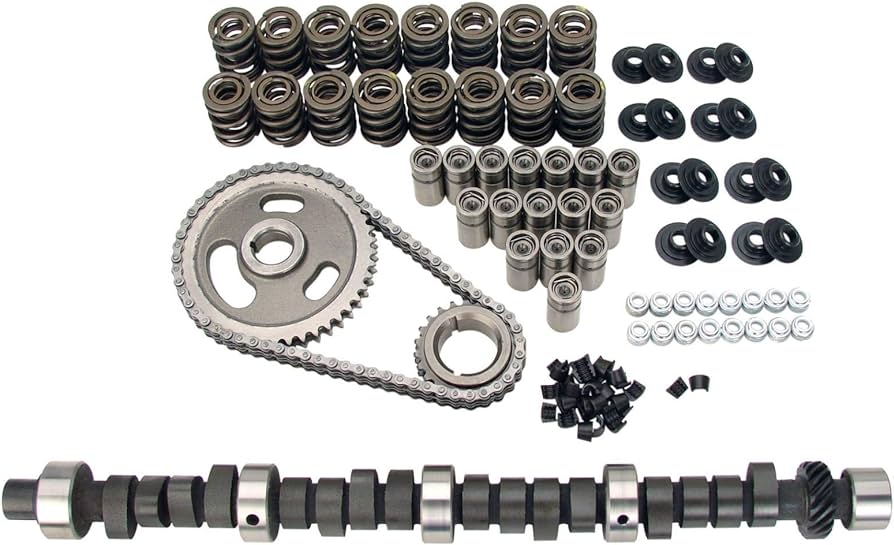
Several variables influence how much horsepower a COMP cam will add.
Larger displacement engines generally see larger horsepower gains from camshaft upgrades. A cam that adds 40 horsepower to a small block may add more in a big block or stroker engine.
Engine architecture also matters. LS engines, for example, often respond very well to cam upgrades due to efficient cylinder heads and valvetrain design.
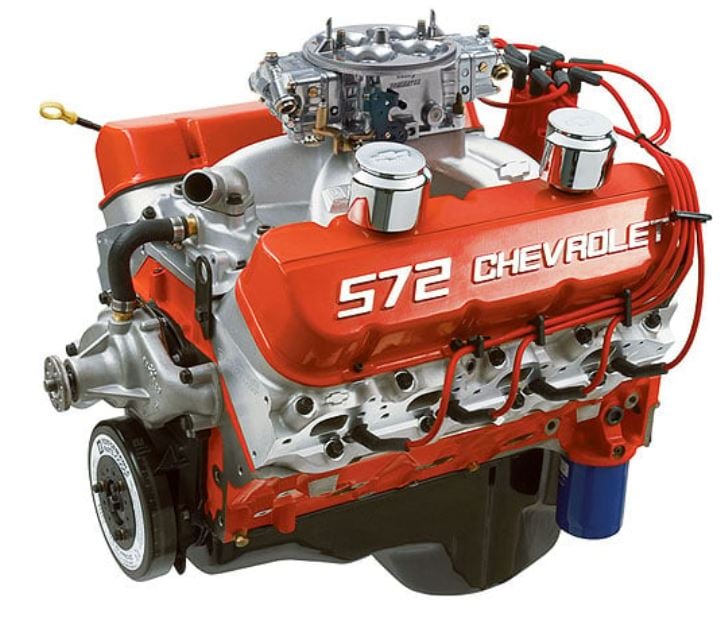
Cylinder heads play a major role in camshaft effectiveness. A camshaft cannot make power if the heads cannot support increased airflow.
Upgrading cylinder heads or porting existing heads often unlocks additional gains from a COMP camshaft.

Higher compression allows the engine to take full advantage of more aggressive cam timing. Engines with low compression may not see the full benefit of a larger cam.
Matching camshaft specifications to compression ratio is critical for optimal results.

Sign up now to join the JEGS email newsletter and be the first to learn about new products, special deals and e-mail only offers!
Intake manifolds, exhaust headers, fuel systems, and engine tuning all influence final horsepower numbers.
A COMP camshaft installed in an otherwise stock engine will not perform the same as one installed in a fully optimized combination.
Proper tuning is essential. Modern engines with electronic fuel injection require recalibration to fully realize camshaft gains.
Even carbureted engines benefit from careful jetting and ignition timing adjustments.

In many LS engine builds, a COMP camshaft combined with valve springs and tuning can add 50 to 80 horsepower without changing cylinder heads.
Small block Chevy street builds often see gains in the 30 to 50 horsepower range with a well chosen hydraulic cam and supporting upgrades.
Ford Windsor engines typically respond well to camshaft changes, especially when paired with improved intake and exhaust flow.
These numbers vary, but they illustrate the potential of a properly selected camshaft.

More power often comes with trade offs.
Aggressive camshafts can reduce low speed torque, create rougher idle characteristics, and require more maintenance. Vacuum for power brakes and accessories may be reduced.
Understanding these trade offs helps ensure the camshaft matches your expectations and driving style.
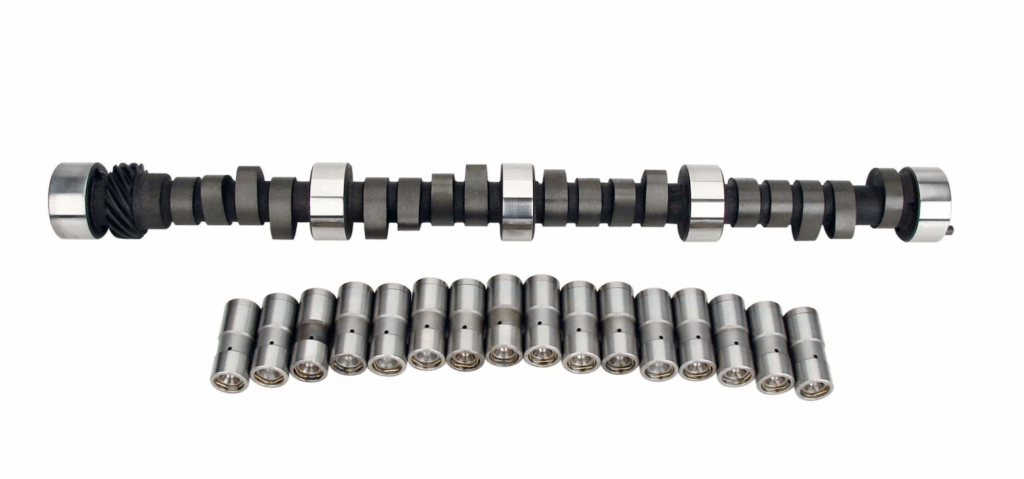
COMP Cams offers camshafts tailored to specific goals, including street performance, towing, drag racing, and road racing.
Consulting camshaft selection tools and experienced builders can help narrow down the right choice.
JEGS offers a wide selection of COMP camshafts and supporting valvetrain components, making it easy to build a complete package.
So how much horsepower does a COMP cam add? The realistic answer ranges from 15 horsepower on mild street builds to well over 100 horsepower in aggressive race applications.
The key to maximizing gains is matching the camshaft to the engine combination and supporting it with proper components and tuning.
Explore COMP camshafts and performance parts available at www.jegs.com and take the next step toward unlocking your engine’s full potential.



Leave a Reply