


 Order Status & Returns
 Gift Cards
 Help Center
 1-800-345-4545
Performance Transmissions & Drivetrains
Performance transmissions are built to handle more torque, firmer shifts, and harder launches than a factory unit can take. At JEGS, you'll find automatic and manual transmissions, torque converters, and the drivetrain parts that carry power to the ground. Use this guide to compare popular platforms, plan supporting upgrades, and choose the right high-performance transmission for your build.
Show More
What Makes Performance Transmissions Different From Stock
Performance transmissions use stronger internal parts and revised hydraulics to hold more power and shift more firmly than a factory unit. Stock transmissions are calibrated for comfort, so they often use soft, overlapping shifts. That overlap creates clutch slip, and slip creates heat that wears out friction material.
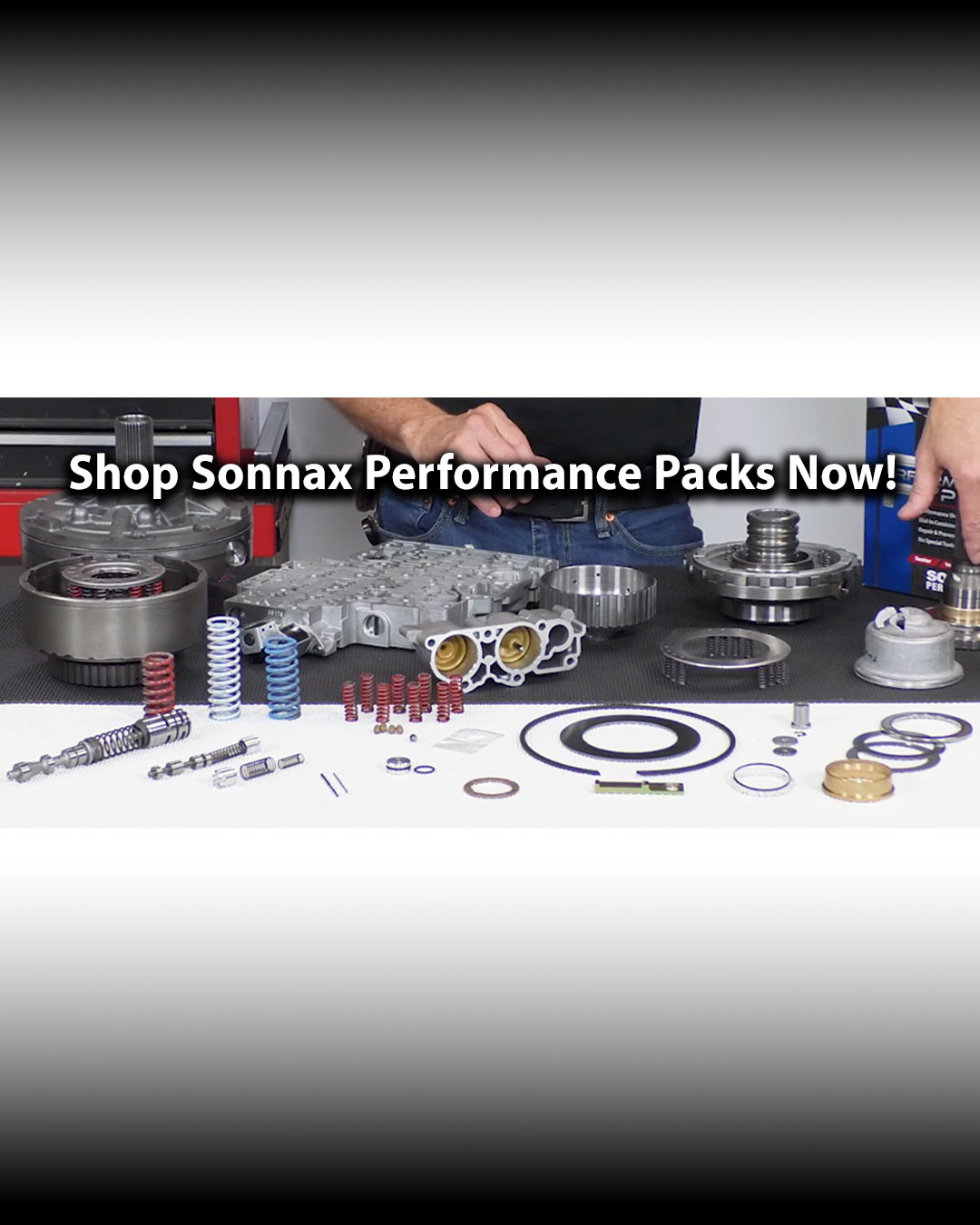
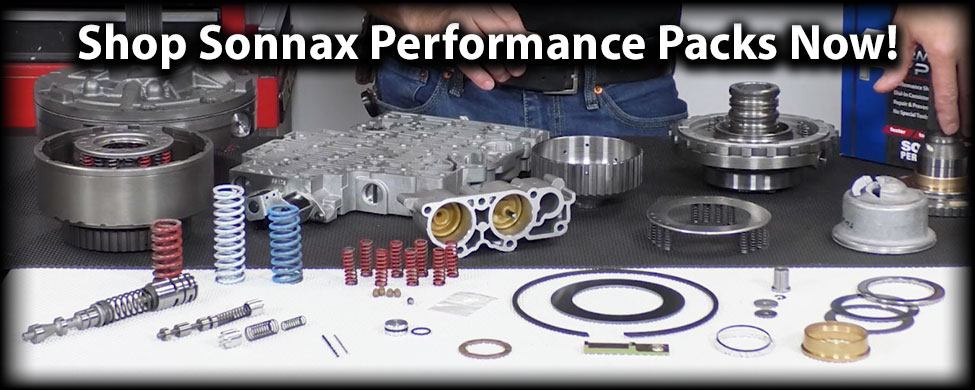
A performance build targets those weak points. Common upgrades include hardened shafts, higher-capacity clutch packs, stronger sprags, and a recalibrated valve body for quicker, firmer engagement. Many builders add Sonnax transmission upgrade parts to correct known hydraulic issues in specific platforms.
The result is an aftermarket transmission that's matched to how you drive. A street-strip build can still behave on the highway, while a race unit trades some comfort for consistent shifts at the track. Before you buy, know your power goals, vehicle weight, rear gear ratio, and how often you'll race.
Automatic vs. Manual Performance Transmissions
Choose an automatic if you want consistency and easy launches, and choose a manual if you want direct control over every shift. A performance automatic transmission multiplies torque through its converter, which helps heavier cars leave the line hard. It also repeats the same shift points run after run, which is why many bracket racers use one.
A manual connects the engine to the drivetrain through a clutch, so you control engagement and gear selection. Many road-course, autocross, and street drivers prefer that feel. The tradeoff is driver skill, since launch and shift timing are on you.
Browse performance automatic transmissions for street, strip, and towing builds. If you'd rather row your own gears, compare manual transmissions for performance builds. Whichever you choose, plan supporting parts at the same time, because a swap can change your crossmember position, driveshaft length, and shifter setup.
Popular Performance Transmission Platforms
Most automatic builds start with one of a few proven platforms, and knowing their basic layout helps you narrow your search. TCI performance transmissions cover street and race versions of several of them. Here's how the common options compare:
- The TH350 is a GM three-speed automatic without overdrive.
- The TH400 is a heavy-duty GM three-speed automatic.
- The 700R4 is a GM four-speed overdrive automatic controlled by a TV cable.
- The 4L60E is the electronically controlled successor to the 700R4.
- The Powerglide is a GM two-speed automatic widely used in drag racing.
- The Torqueflite 727 is a Chrysler three-speed automatic.
Overdrive units like the 700R4 transmission and 4L60E lower highway rpm, which helps cars with steep rear gears cruise comfortably. A 4L60E performance transmission needs a computer or standalone controller to shift. If you're swapping in an LS, read our guide to automatic transmissions for LS engine swaps before you choose.
Drivetrain Parts To Upgrade With Your Transmission
Upgrade the parts behind your transmission at the same time, because added power finds the next weak link. Your transmission is one part of the system that carries torque to the wheels. Stock drivetrain parts weren't designed for a big jump in power.
Start with driveshafts and yokes. A swap can change output shaft length or yoke spline count, so you may need a driveshaft measured for your car. Next, look at differentials and rear-end components such as axles, gear sets, and carriers. If you're weighing traction options, our breakdown of limited-slip vs. posi differentials explains the difference.
Don't overlook the front of the transmission. Transmission bellhousings and components matter for manual swaps and for engine and transmission pairings that don't share a bolt pattern. Matching your transmission and drivetrain parts to your power level helps the whole package last.
Remanufactured vs. Performance-Built Transmissions
A remanufactured transmission restores a factory design to working condition, while a performance-built transmission is upgraded to handle more power than stock. The right pick depends on your power goals, how you use the vehicle, and your budget.
ATK Engines remanufactured transmissions include factory-style replacements such as the Chrysler A518, A618, and A500 and the GM 4L60E. They're a practical fit for daily drivers, tow vehicles, and stock or mildly modified engines that don't need extra capacity. You get factory-like shift behavior without sourcing and rebuilding a used core yourself.
Performance-built units, such as the TCI StreetFighter and Street Rodder lines, are designed for street and performance use. If you plan to add power later, buying a built unit now can save you a second transmission job. Prefer doing the work yourself? Our 4L60E transmission rebuild buying guide walks through the parts you'll need.
AUTOMATIC TRANSMISSIONS
DIFFERENTIALS & REAR-END COMPONENTS
DRIVESHAFTS & YOKES
JUNIOR DRAGSTER COMPONENTS
MANUAL TRANSMISSIONS
POWERSPORTS COMPONENTS
SHIFTERS & COMPONENTS
TRANSAXLES
TRANSFER CASES & COMPONENTS
TRANSMISSION BELLHOUSINGS & COMPONENTS
TRANSMISSION MOUNTS & ADAPTERS
WHEEL/AXLE BEARINGS AND SEALS

ADD A VEHICLE TO GUARANTEE PARTS FIT
See products that fit

JEGS
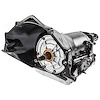
4L60E Performance Transmission for 1996-1997 LT1 Small Block Engines
Part Number: 555-603010
 Ships TodayFree shipping
 Lowest price guarantee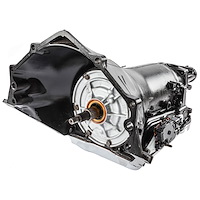
JEGS
4L60E Performance Transmission for 1996-1997 LT1 Small Block Engines
Part Number: 555-603010
Ships TodayFree shippingLowest Price Guarantee
JEGS
4L60E Performance Transmission for 1996-1997 Chevy 4WD Truck
Part Number: 555-603015
Ships TodayFree shippingLowest price guarantee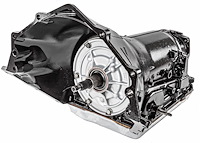
JEGS
4L60E Performance Transmission for 1996-1997 Chevy 4WD Truck
Part Number: 555-603015
Ships TodayFree shippingLowest Price Guarantee
JEGS
GM 4L80E Performance Transmission for 1991-1996 Chevrolet 2WD Trucks
Part Number: 555-60325
Ships on 12/07/2026Free shippingLowest price guarantee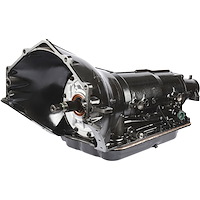
JEGS
GM 4L80E Performance Transmission for 1991-1996 Chevrolet 2WD Trucks
Part Number: 555-60325
Ships on 12/07/2026Free shippingLowest Price Guarantee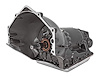
JEGS
GM TH350 Performance Automatic Transmission for Chevrolet 4WD
Part Number: 555-60307
Ships TodayFree shippingLowest price guarantee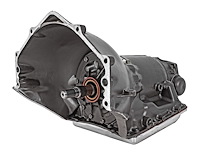
JEGS
GM TH350 Performance Automatic Transmission for Chevrolet 4WD
Part Number: 555-60307
Ships TodayFree shippingLowest Price Guarantee
JEGS
4L80E Performance Transmission for 1991-1996 Chevy 4WD Truck
Part Number: 555-603052
Ships TodayFree shippingLowest price guarantee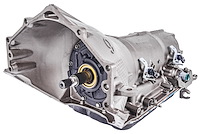
JEGS
4L80E Performance Transmission for 1991-1996 Chevy 4WD Truck
Part Number: 555-603052
Ships TodayFree shippingLowest Price Guarantee
JEGS
4L60E Performance Transmission for Vehicles with 1999-2006 GM LS 4.8L, 5.3L, 6.0L Engines
Part Number: 555-603020
Ships TodayFree shippingLowest price guarantee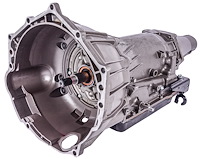
JEGS
4L60E Performance Transmission for Vehicles with 1999-2006 GM LS 4.8L, 5.3L, 6.0L Engines
Part Number: 555-603020
Ships TodayFree shippingLowest Price Guarantee![Race Prepped GM TH400 Transmission without Bellhousing [Rated up to 1400 HP]](https://www.jegs.com/images/mini_100/500/555/555-60338.jpg)
JEGS
Race Prepped GM TH400 Transmission without Bellhousing [Rated up to 1400 HP]
Part Number: 555-60338
Ships TodayFree shippingLowest price guarantee![Race Prepped GM TH400 Transmission without Bellhousing [Rated up to 1400 HP]](https://www.jegs.com/images/mini_200/500/555/555-60338.jpg)
JEGS
Race Prepped GM TH400 Transmission without Bellhousing [Rated up to 1400 HP]
Part Number: 555-60338
Ships TodayFree shippingLowest Price Guarantee
JEGS
4L80E Performance Transmission for 1997-1999 Chevy 2WD
Part Number: 555-60327
Ships TodayFree shippingLowest price guarantee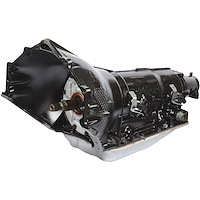
JEGS
4L80E Performance Transmission for 1997-1999 Chevy 2WD
Part Number: 555-60327
Ships TodayFree shippingLowest Price Guarantee
JEGS
4L80E Performance Transmission for 1997-1999 Chevy 4WD Truck
Part Number: 555-60328
Ships TodayFree shippingLowest price guarantee
JEGS
4L80E Performance Transmission for 1997-1999 Chevy 4WD Truck
Part Number: 555-60328
Ships TodayFree shippingLowest Price Guarantee![GM TH350 Performance Automatic Transmission for Chevrolet 2WD [Rated up to 775 HP]](https://www.jegs.com/images/mini_100/500/555/555-60304.jpg)
JEGS
GM TH350 Performance Automatic Transmission for Chevrolet 2WD [Rated up to 775 HP]
Part Number: 555-60304
Ships on 10/26/2026Free shippingLowest price guarantee![GM TH350 Performance Automatic Transmission for Chevrolet 2WD [Rated up to 775 HP]](https://www.jegs.com/images/mini_200/500/555/555-60304.jpg)
JEGS
GM TH350 Performance Automatic Transmission for Chevrolet 2WD [Rated up to 775 HP]
Part Number: 555-60304
Ships on 10/26/2026Free shippingLowest Price Guarantee
JEGS
4L60E Transmission for 2001 & Up GM LS Engines 4WD Truck
Part Number: 555-603025
Ships TodayFree shippingLowest price guarantee
JEGS
4L60E Transmission for 2001 & Up GM LS Engines 4WD Truck
Part Number: 555-603025
Ships TodayFree shippingLowest Price Guarantee
FTI TRANSMISSIONS & CONVERTERS
Aftermarket SFI approved case 1200 hp Pro tree transbrake steel clutch hub 1.80 straight cut planeta
Part Number: 107-PPG4S
Ships TomorrowFree shippingLowest price guarantee
FTI TRANSMISSIONS & CONVERTERS
Aftermarket SFI approved case 1200 hp Pro tree transbrake steel clutch hub 1.80 straight cut planeta
Part Number: 107-PPG4S
Ships TomorrowFree shippingLowest Price Guarantee
FTI TRANSMISSIONS & CONVERTERS
Mud Race Powerglide 2 Speed
Part Number: 107-MPG3
Ships TodayFree shippingLowest price guarantee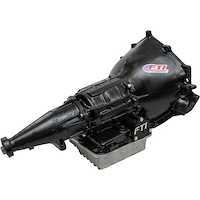
FTI TRANSMISSIONS & CONVERTERS
Mud Race Powerglide 2 Speed
Part Number: 107-MPG3
Ships TodayFree shippingLowest Price Guarantee
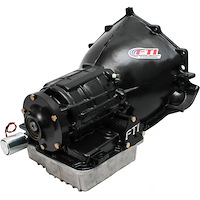
FTI TRANSMISSIONS & CONVERTERS
Pro Series Powerglide Transmission Bracket 3
Part Number: 107-BPG3
Ships TomorrowFree shippingLowest price guarantee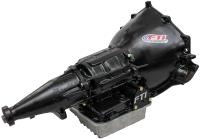
FTI TRANSMISSIONS & CONVERTERS
Pro Series Powerglide Transmission Bracket 3
Part Number: 107-BPG3
Ships TomorrowFree shippingLowest Price Guarantee
FTI TRANSMISSIONS & CONVERTERS
BPG4 RACING POWERGLIDE TRANSMISSION, LONG SHAFT, AFTERMARKET SFI CASE
Part Number: 107-BPG4
Ships TomorrowFree shippingLowest price guarantee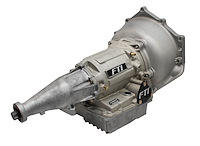
FTI TRANSMISSIONS & CONVERTERS
BPG4 RACING POWERGLIDE TRANSMISSION, LONG SHAFT, AFTERMARKET SFI CASE
Part Number: 107-BPG4
Ships TomorrowFree shippingLowest Price Guarantee
CURRIE
Rear End Housing & Axle Package 1964-66 Chevy Chevelle (A-Body)
Part Number: 272-CE-GMA6466X
Ships TomorrowFree shippingLowest price guarantee
CURRIE
Rear End Housing & Axle Package 1964-66 Chevy Chevelle (A-Body)
Part Number: 272-CE-GMA6466X
Ships TomorrowFree shippingLowest Price Guarantee
JW PERFORMANCE
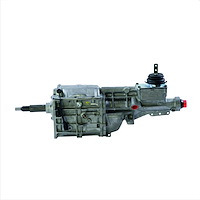
Competition Stock Case Powerglide Transmission HP Rating: 1500hp
Part Number: 564-Q10002L
Ships on 10/15/2026Free shippingLowest price guarantee
JW PERFORMANCE
Competition Stock Case Powerglide Transmission HP Rating: 1500hp
Part Number: 564-Q10002L
Ships on 10/15/2026Free shippingLowest Price Guarantee
STRANGE ENGINEERING
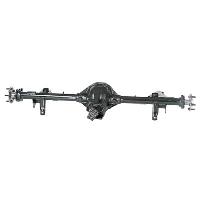
S60 rear end / F-Body / H.D. posi / 35 S/T axles / F-Body mounts
Part Number: 873-PRSF05
Ships on 10/22/2026Free shippingLowest price guarantee
STRANGE ENGINEERING
S60 rear end / F-Body / H.D. posi / 35 S/T axles / F-Body mounts
Part Number: 873-PRSF05
Ships on 10/22/2026Free shippingLowest Price Guarantee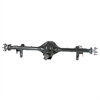
Frequently Asked Questions About Performance Transmissions
Do I need a new torque converter with a performance transmission?
In most builds, yes. Your converter's stall speed should match your camshaft, rear gear ratio, and vehicle weight. A stock converter often stalls too low for a performance cam. Browse performance torque converters by transmission type to find one that fits your combination.
How do I identify a 700R4 transmission?
The 700R4 has a 16-bolt oil pan and a throttle valve (TV) cable that links it to the carburetor or throttle body. The later 4L60E uses a similar pan but relies on electronic controls instead of a TV cable. See our guide on how to identify a 700R4 transmission for more tips.
Is a Powerglide or TH400 better for drag racing?
It depends on your car and combination. A Powerglide transmission makes one shift and has less rotating mass, which suits many lighter, high-rpm drag cars. A TH400 transmission adds a third gear and a heavy-duty case, so it's often chosen for heavier cars or engines that need more gear spread. Either way, pair it with performance shifters and components that match your transmission.
Should I add a transmission cooler?
Yes, if you've added power, run a looser converter, or tow. Heat breaks down transmission fluid and wears out clutches, and performance builds generate more of it than stock. An auxiliary cooler helps keep fluid temperatures in check on the street and between rounds at the track.
How do I confirm a transmission fits my vehicle?
Use the Add a Vehicle fitment tool on JEGS.com to save your year, make, and model, then shop parts listed for that vehicle. Check product details for input shaft spline count, bellhousing bolt pattern, and control type. If you've swapped engines, confirm fitment for your engine and transmission pairing as well as the vehicle.