

Sign up now to join the JEGS email newsletter and be the first to learn about new products, special deals and e-mail only offers!


Are you restoring a 1968-1974 Nova to factory spec or building one to run hard? Either way, you need Chevy Nova parts that fit your year and match your goals.
The third-generation Nova is known for its clean styling and strong V8 options, and it's a favorite with restorers and racers alike. This guide covers the main systems: exhaust, suspension and steering, transmission and drivetrain, brakes, wheels, engines and components, and interior and body parts.
You'll learn what to check before you buy, which upgrades pay off first, and which engines make sense. When you're ready, shop each system using the links below.
Is your car really a third-gen Nova? Run through these checks before you add Chevy Nova parts to your cart.

Explore our selection of 1968-1974 "3rd Generation" Chevrolet Nova parts, built to keep your classic muscle car performing at its peak. This era of the Nova is known for its iconic style and strong performance, which makes it a favorite with enthusiasts and collectors.
Our range of Chevy Nova car parts includes exhaust systems for more output and sound, plus suspension and steering components for sharper handling. You'll also find transmission and drivetrain parts, wheels, and engine components to keep your Nova running smoothly.
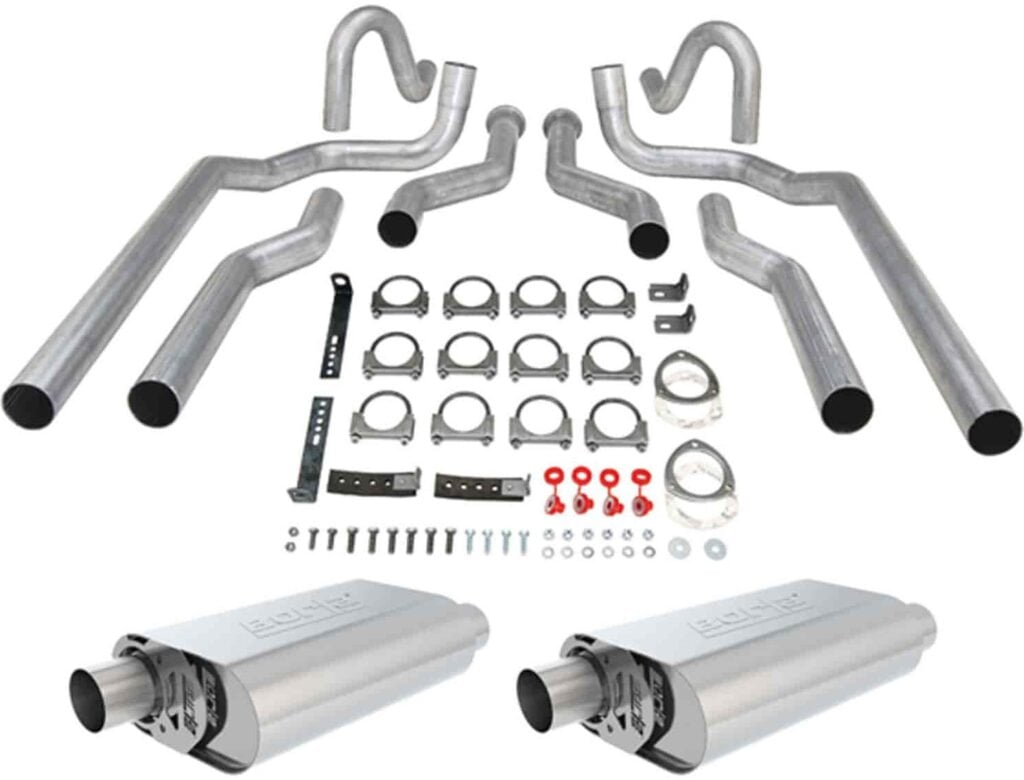
Want more power and a deeper sound? Exhaust is one of the easiest places to start.
Headers replace the restrictive factory manifolds. Long tube headers usually make the most power but need more room, while shorty headers are often easier to fit.
Pair your headers with a full exhaust kit so the whole system flows together. Check out our JEGS Ceramic Coated Long Tube Headers in Featured Products below, or browse Hooker headers and exhaust for more choices.
Is your original engine worth rebuilding, or is it time for a crate engine? A rebuild can keep the original engine in the car, while a crate engine saves you build time.
Either way, plan for supporting parts. A stronger engine needs cooling that can keep up, plus air and fuel delivery parts sized for the power you're making.
Not sure which is the best engine for your Chevy Nova? See the engine section further down this page.
Sign up now to join the JEGS email newsletter and be the first to learn about new products, special deals and e-mail only offers!
After more than 50 years, many Novas ride on worn bushings and tired shocks. Replacing them is the quickest way to tighten up steering and ride quality.
Next, look at springs. Upgraded front coil springs firm up the ride, and new rear leaf springs restore lost ride height and control.
The Nova pairs a front subframe with a unibody shell, so the chassis can flex under power. Subframe connectors tie the front and rear subframes together to reduce that flex.
Our Bolt-On Subframe Connector Set fits 1968-1976 Novas. You can also compare more subframe connector kits, learn how subframe connectors work, or shop QA1 suspension components for a complete upgrade.
Still stopping on factory drums? Disc brakes offer better stopping power and fade resistance than drums, and that matters once you add power.
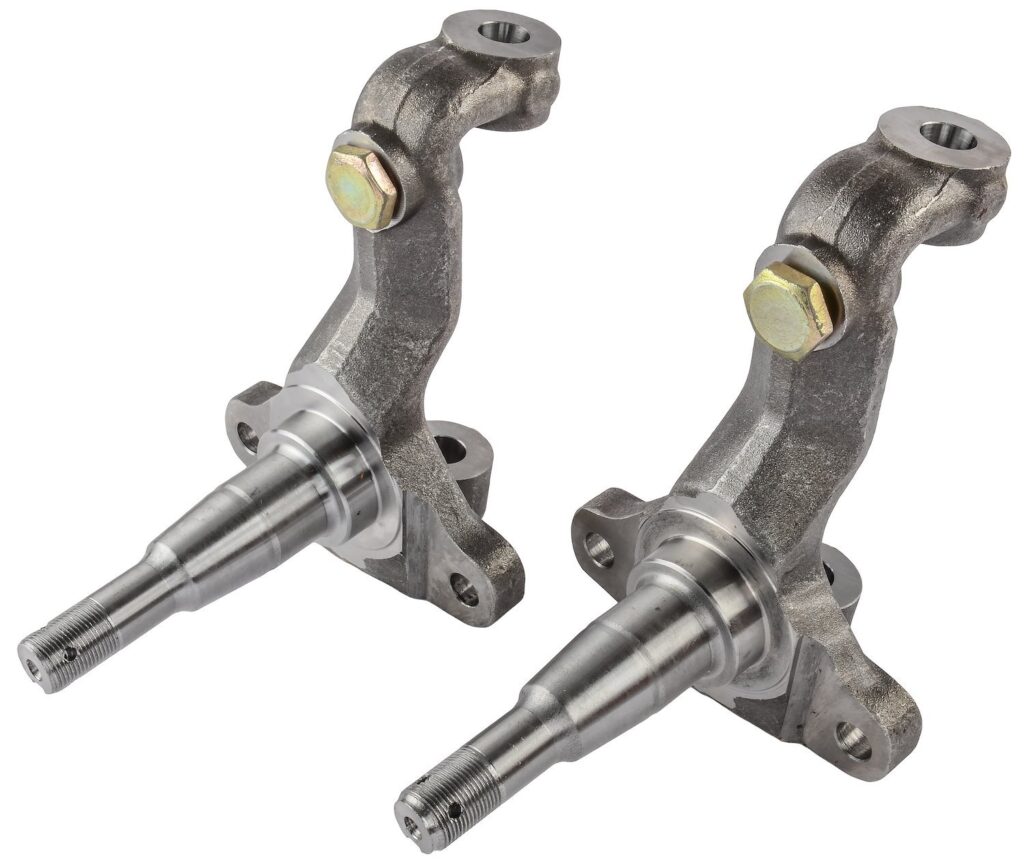
Up front, a conversion usually starts with new spindles, rotors, and calipers. Our Disc Brake Spindles, shown in Featured Products below, are one way to start that swap.
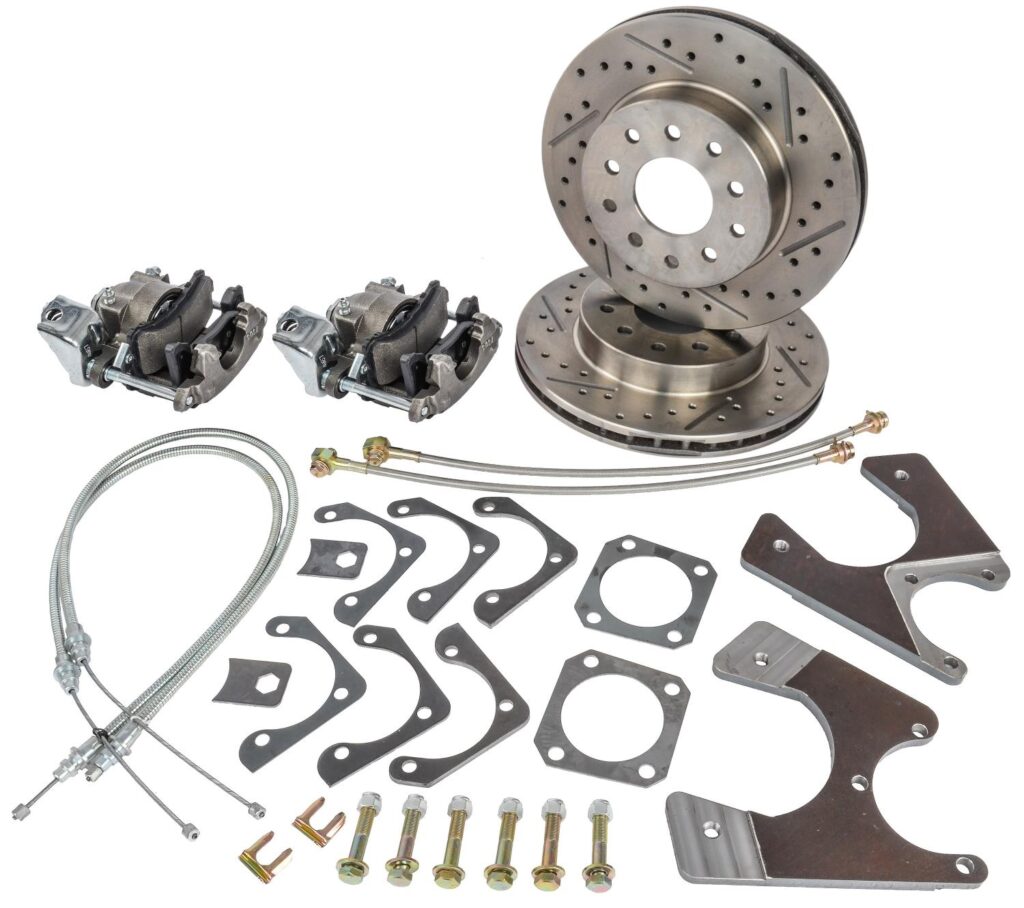
In back, our GM 10 & 12 Bolt Rear Disc Brake Conversion Kit is made for GM 10- and 12-bolt rear ends. If you're new to the job, read how to convert rear drum brakes to discs first.
Last, pair the new brakes with the right booster and master cylinder for proper pedal feel. Building a complete system? Wilwood brake components are another option.
Bigger wheels and tires change your Nova's look and grip, but fitment comes down to backspacing. Backspacing is the distance from the wheel's mounting surface to its inner edge.
Too much backspacing and the tire can hit suspension parts. Too little and it pushes the tire out toward the fender lip.
Offset measures the mounting surface's distance from the wheel's centerline, so check both. Learn more in wheel offset vs. backspacing, and use the chart below as a starting point.
| Position | Max Tire Size | Wheel Size | Backspacing | Notes |
|---|---|---|---|---|
| Front | P235/60R15 | 15x7 | 4.25" | 15-inch street setup |
| Rear | P275/60R15 | 15x8 | 4.5" | 15-inch street setup |
| Front and Rear | P245/45R17 | 17x8 | 4.5" | Same size at all four corners |
| Rear (Drag) | 28x11.5 | Not specified | Not specified | Common drag size; expect possible clearance adjustments near shocks and quarter panels |
1968–1972 Chevy Nova tire and wheel fitment recommendations based on the JEGS Nova SS tire size guide. Actual fitment depends on suspension, ride height, wheel offset, and vehicle modifications. Always measure your vehicle before purchasing wheels and tires.
Going for a factory-correct look? The right Chevy Nova restoration parts bring back the details that make a third-gen Nova look right.
Start with sheet metal. Rust repair usually comes first on a car this age, so sort out body panels before paint.
Then seal it up. Fresh door and trunk weatherstripping helps keep water and wind noise out.
Inside, new seats, upholstery, and seat belts, plus dash and door trim, finish the cabin. Keeping original or OEM-style Nova body parts on the car helps preserve its value.
The best aftermarket parts for a Chevy Nova depend on your goals: more power, better handling, or classic looks. Here's where to start.
Pick the right combination of these parts, and you'll turn your Nova into a standout performer and showpiece.

The best engine for a Chevy Nova depends on your performance goals and how you'll use the car. Most builds follow one of three paths.
Want a blend of power and reliability? Chevrolet small-block V8s, especially the 350 cubic inch (5.7-liter), are a highly popular choice. The Nova SS was offered with the 350 small-block from 1968-1970.
The 350 is known for durability and ease of modification. It gives you a solid base for upgrades with a good balance of horsepower, torque, and efficiency.
Start with our guide to the best 350 small-block engines, or dig into small-block Chevy specs and casting numbers.
Chasing maximum performance? Big-block V8s like the 396 cubic inch (6.5-liter) or the legendary 427 deliver exceptional power and acceleration. That makes them ideal for drag racing and high-performance builds.
The 396 big-block was a factory Nova SS option from 1968-1970. Browse 427 cubic inch (7.0-liter) long-block engines, or learn how to choose a 454 big-block crate engine.
Want modern reliability under a classic hood? An LS swap is a common restomod path for the Nova.
Swap kits position the engine for hood clearance, exhaust routing, and transmission alignment, which takes the guesswork out of the install. Compare the best LS swap kits for the Nova, then shop LS swap motor mount kits to get started.
Whichever engine you choose, you can build on it with performance camshafts, intake manifolds, and long tube headers. Ultimately, the best engine for your Chevy Nova depends on how you plan to use the car.
Want to avoid returns and rework when you order Chevy Nova parts? Keep these tips in mind.
A 1968-1974 Nova rewards a plan. Confirm your year, choose restoration or restomod, and upgrade brakes and suspension along with power.
Whether you're shopping 1972 Chevy Nova parts or building a 1974 car, the categories above cover every major system. Shop the Chevy Nova parts you need, then keep learning with more build guides from our tech team.
No, they're widely available, and JEGS carries body panels, trim pieces, engine components, and interior accessories for many Nova models. Browse our classic car restoration parts to get your project started.


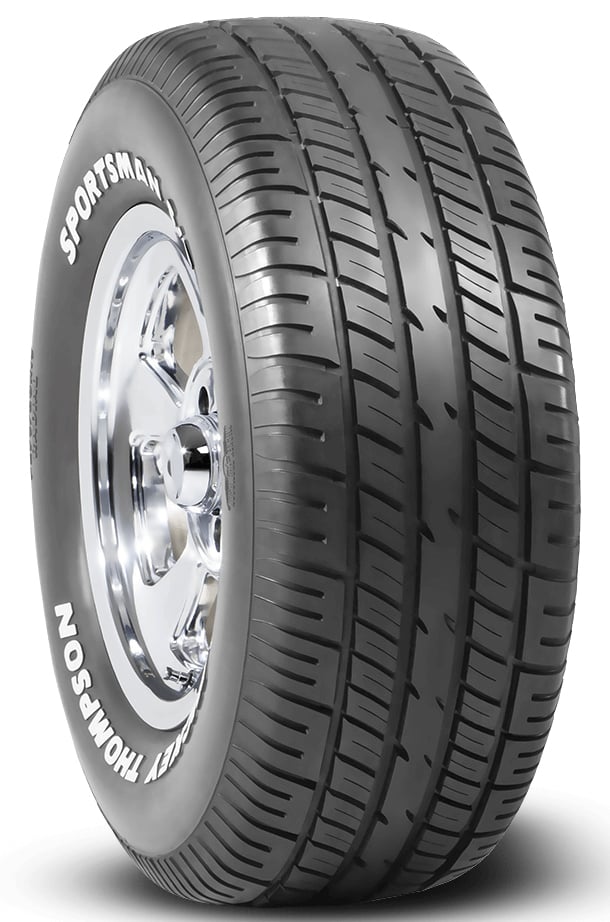
Stock wheel wells fit up to 15-inch wheels with about 225/60R15 front and 255/60R15 rear tires, no major modifications needed. 17- or 18-inch wheels and larger tires may need rolled fender lips or suspension changes, so see our Chevrolet Nova SS tire size guide or ask a JEGS Tech.
Yes, front and rear disc brake conversion kits bolt on and give you better stopping power and fade resistance than drums. Pair your kit with the right booster and master cylinder.
It depends on the engine: the 1968-1970 Nova SS was offered with 350 small-block and 396 big-block V8s, while 1971-1974 cars shifted toward milder powertrains. Modern swaps, including Chevrolet Performance crate engines, can make a third-gen Nova much quicker.
Some chassis parts are shared with the 1967-1969 Camaro and Firebird, and some kits are listed for both. When you shop upgrades like Ridetech suspension systems, always check the fitment notes for your exact year and model.