Sign up now to join the JEGS email newsletter and be the first to learn about new products, special deals and e-mail only offers!

 8 People Found This Article Helpful
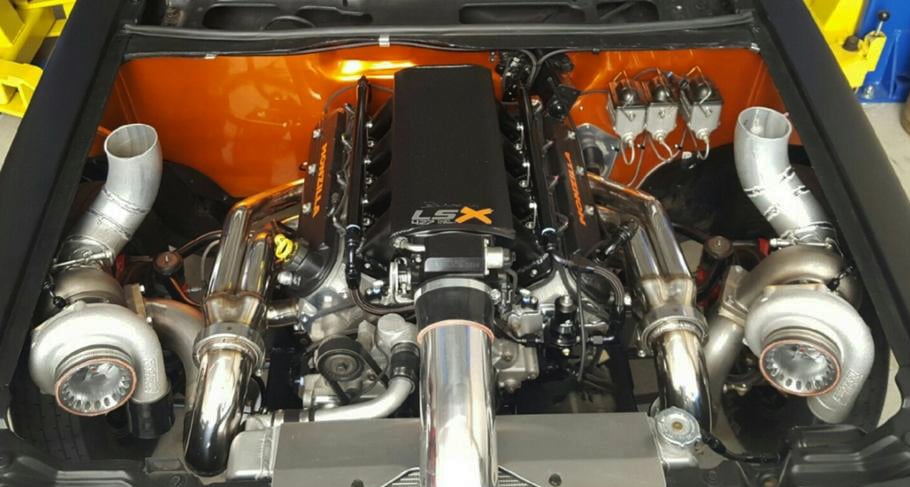

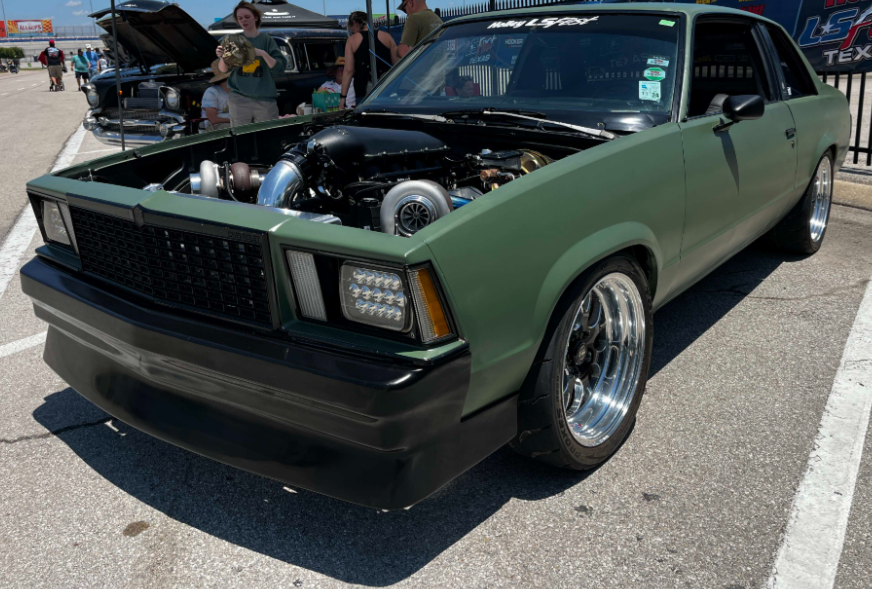
The Chevy LS engine is known for its versatility, reliability, and overall stellar performance. Originally developed for the Corvette, the LS engine is famous for its ability to be swapped into all kinds of vehicles, including European and Japanese imports. If you want to increase the horsepower output of your LS engine, a turbo kit is a great option. However, before you move forward, you should be sure that you are getting the right system and that everything will be compatible with your particular engine.
Depending on the variant of your LS engine, different types of turbo kits will be better for you than others. Knowing your goals regarding the vehicle’s power rating will help you make the right choice. You should also consider what the application will be like once you install the turbo. For example, if you use your vehicle strictly for drag racing, your turbo needs will differ from those of someone who wants to keep their vehicle street-legal and practical. Knowing what to look for in Chevy LS turbo kits will help you make the right decision for yourself and your car.
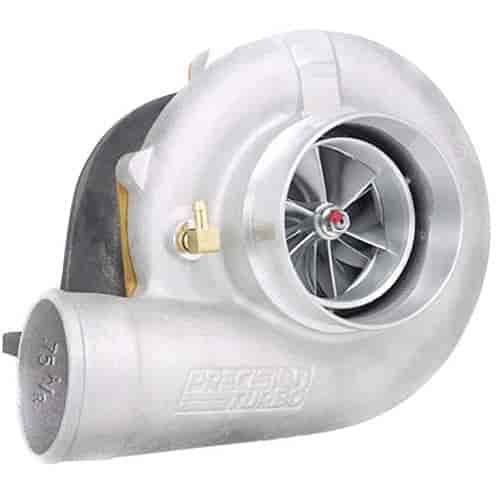
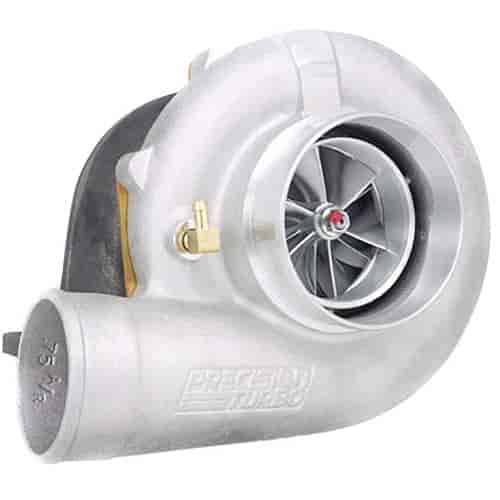
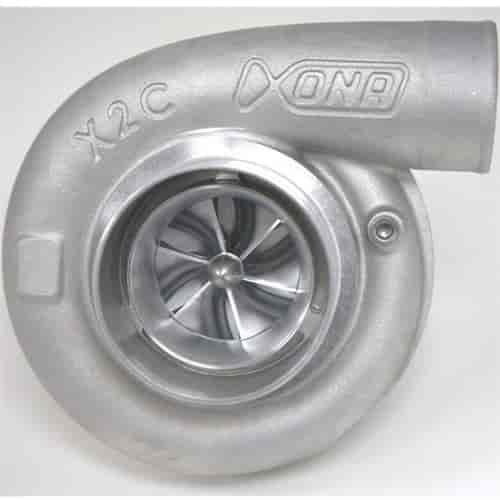
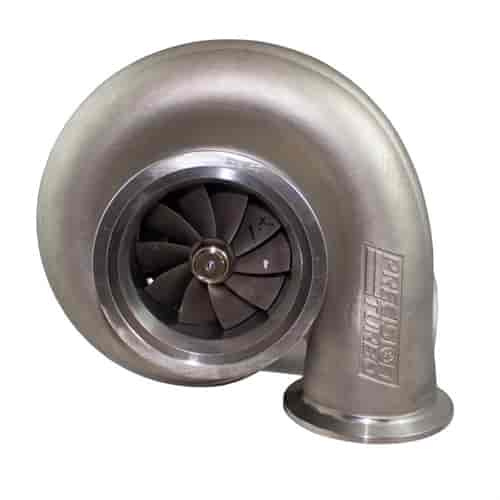
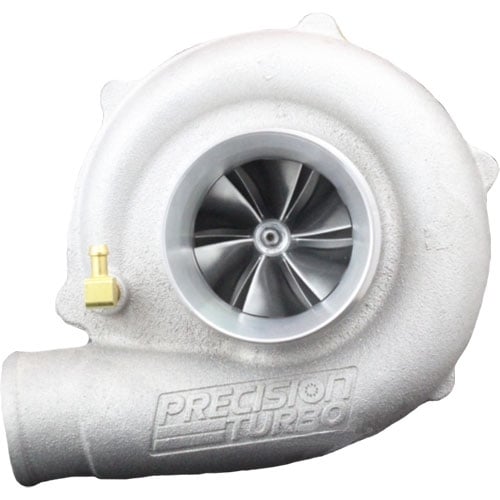
Choosing the right size turbo for a 5.3-liter Chevy LS engine depends on your performance goals and the specific application of your vehicle. Generally, a turbocharger with a compressor wheel diameter between 62mm and 76mm is suitable for a 5.3 LS engine.
For street use and moderate power gains, a smaller turbo such as a 62mm or 67mm turbocharger is often preferred. These turbos provide quicker spool times, which enhances throttle response and makes the vehicle more enjoyable to drive in everyday conditions. They are capable of delivering power increases in the range of 400 to 600 horsepower, which is substantial for most street applications.
For higher horsepower goals and track-focused builds, a larger turbo such as a 72mm or 76mm turbocharger may be more appropriate. These larger turbos can support power levels exceeding 700 horsepower and are ideal for drag racing or high-performance street cars that prioritize top-end power. However, they typically have slower spool times compared to smaller turbos, which can result in more noticeable turbo lag.
It is also important to consider the entire turbo system, including the intercooler, fuel system, and engine internals, to ensure that your setup can handle the increased power and boost levels. Consulting with a professional tuner or engine builder can provide valuable insight and help you select the best turbo size for your specific 5.3 LS engine build and performance objectives.

Sign up now to join the JEGS email newsletter and be the first to learn about new products, special deals and e-mail only offers!
Installing a turbo on a stock LS engine is a rewarding project that can significantly boost your engine's performance. However, it requires careful planning, the right components, and a methodical approach. Here is a step-by-step guide to help you through the process:
Before starting, determine your performance goals and budget. Decide whether you're aiming for a moderate power increase or a high-performance setup. This will influence the type and size of the turbocharger you choose and whether any additional engine upgrades are necessary.
Select a turbo kit designed specifically for LS engines. These kits usually include the turbocharger, exhaust manifolds, intercooler, wastegate, blow-off valve, oil lines, and necessary mounting hardware. Make sure the kit is compatible with your specific LS engine model and configuration.
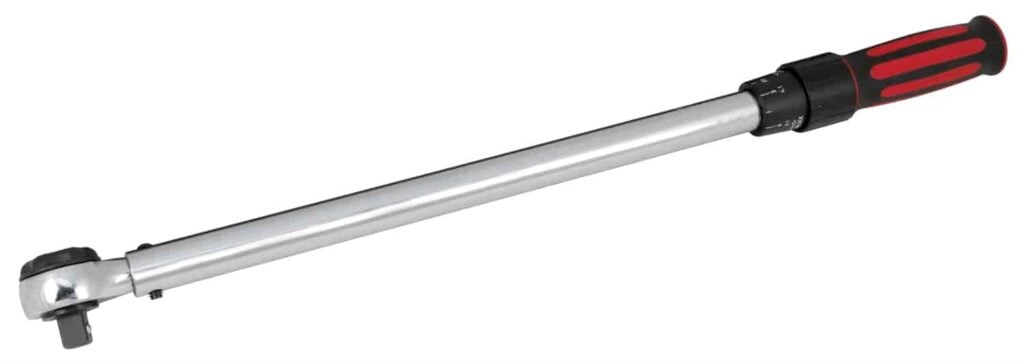
In addition to the turbo kit, you’ll need a variety of tools and parts, including:
Begin by disconnecting the battery to ensure safety. Remove any components that might obstruct access to the engine, such as the air intake system, exhaust manifold, and any engine covers. Ensure the engine bay is clean and free of debris.
Mount the turbocharger to the compatible exhaust manifold using the supplied hardware. Ensure all gaskets are properly seated to prevent exhaust leaks. Connect the turbocharger to the intercooler and the intake manifold using the provided piping. Secure all connections with clamps and check for any potential leaks.
Most turbochargers require a steady supply of oil for lubrication and, in some cases, coolant for additional cooling. Install the oil feed and return lines according to the turbo kit’s instructions. Ensure the lines are securely attached and routed away from hot or moving parts.
To support the increased airflow from the turbo, upgrade to high-flow fuel injectors and a compatible fuel pump. This ensures that the engine receives the additional fuel required to match the increased air intake. Consult the turbo kit instructions or a professional tuner for recommendations on injector size and fuel pump capacity.

After installing the turbo and upgrading the fuel system, the engine management system must be reprogrammed to account for the new turbocharger. This involves adjusting the air-fuel ratio, ignition timing, and boost levels. Use a tuning device compatible with your LS engine or take your vehicle to a professional tuner.
Start the engine and let it idle for a few minutes while monitoring for any leaks or unusual noises. Check the oil pressure and coolant levels. Gradually increase the engine speed and monitor the boost levels to ensure everything operates smoothly. Perform a test drive and make any necessary adjustments to the tuning.
A turbocharged engine requires diligent maintenance to ensure longevity and reliability. Regularly check oil levels, inspect the turbo for wear, and ensure all connections remain secure. Follow the maintenance schedule recommended by the turbo kit manufacturer.
By following these steps, you can successfully install a turbo on a stock LS engine, transforming your vehicle into a high-performance machine. Whether for street use or track days, a turbocharged LS engine offers impressive power gains and an exhilarating driving experience.
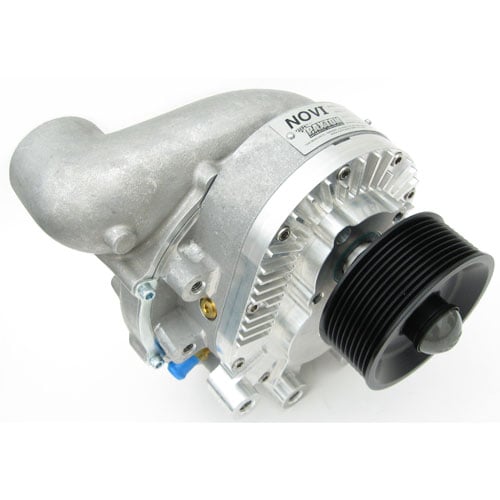
When it comes to boosting an engine's performance, two popular options are turbochargers and superchargers. Both systems force more air into the engine, allowing it to burn more fuel and produce more power. However, they achieve this in different ways and have distinct advantages and disadvantages. Understanding the differences between a turbocharger and a supercharger can help you make an informed decision about which is best for your vehicle and driving needs.

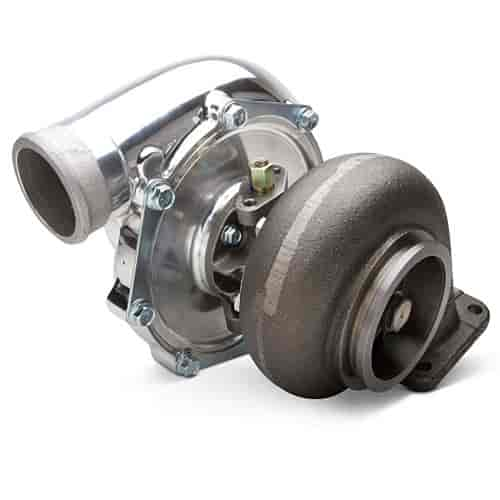
A turbocharger uses exhaust gases to spin a turbine, which in turn drives a compressor that forces more air into the engine's intake manifold. Here are the key characteristics of turbochargers:
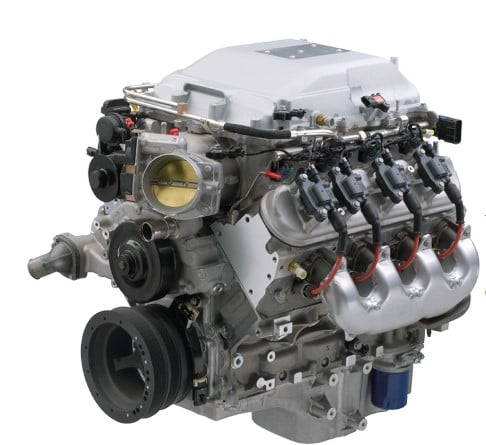
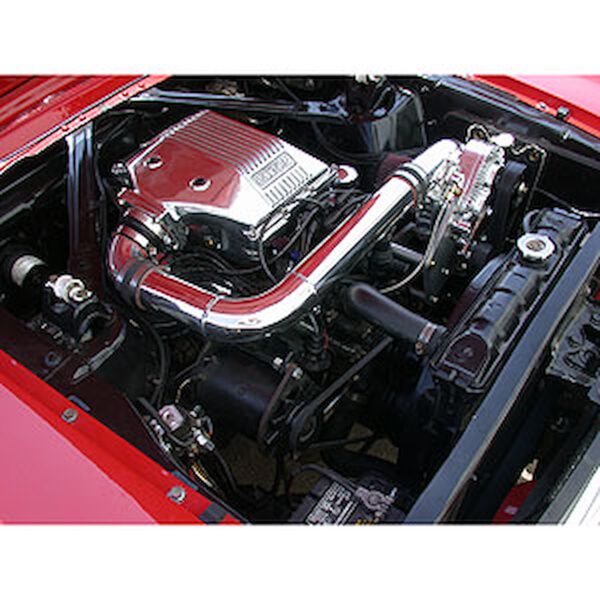
A supercharger, on the other hand, is mechanically driven by the engine's crankshaft. Here are the main features of superchargers:
In summary, both turbochargers and superchargers offer unique benefits and potential drawbacks. The best choice depends on your specific performance goals, driving style, and vehicle requirements. Whether you opt for a turbocharger or a supercharger, both can significantly enhance your engine's power and performance.
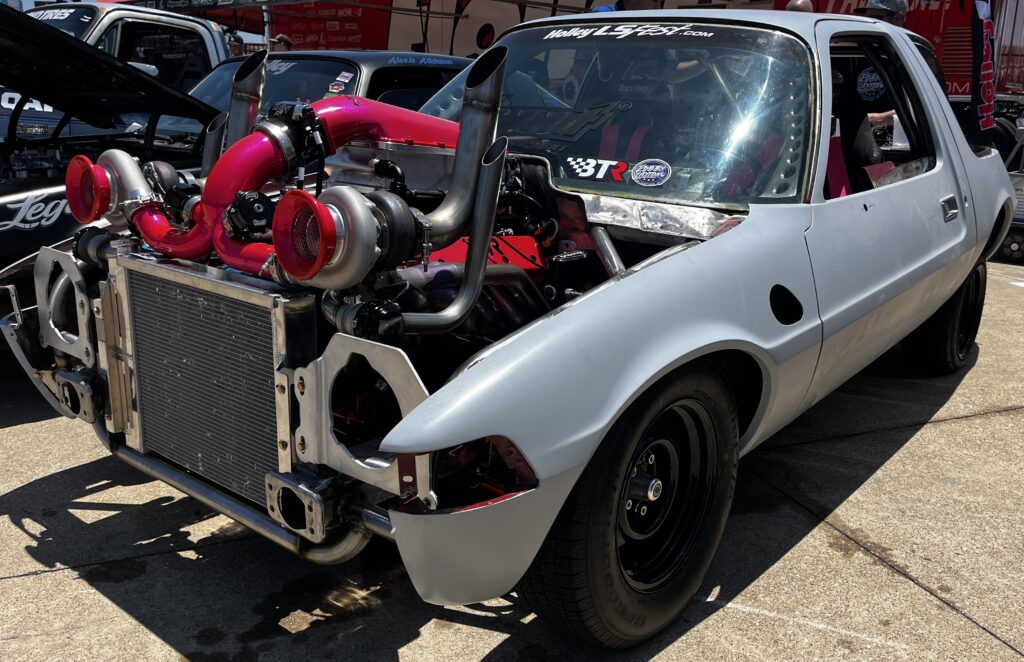
Adding a turbocharger to your engine can significantly boost its horsepower, but the exact amount of increase depends on various factors such as the engine size, turbo size, boost pressure, and overall engine condition. Here's a detailed look at how much horsepower a turbo can add and the factors that influence this increase:

If you want to get the best performance with high-quality parts and accessories for your vehicle, no matter what kind of engine you have, JEGS has you covered. Feel free to browse our extensive product selection and have your items sent straight to your door.




Leave a Reply