Sign up now to join the JEGS email newsletter and be the first to learn about new products, special deals and e-mail only offers!

 2 People Found This Article Helpful
By
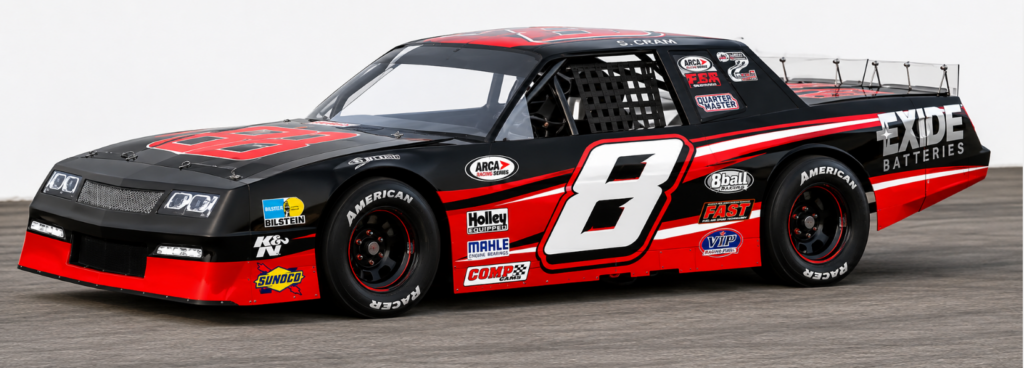
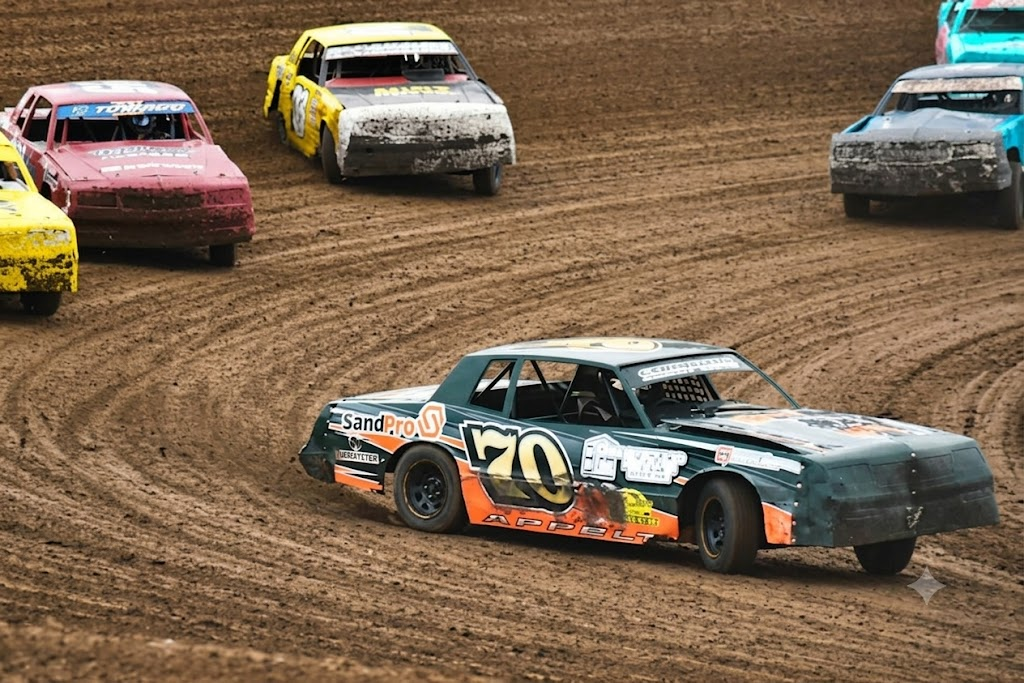
Hobby Stock racing is one of the most popular entry level divisions in grassroots motorsports. It offers affordable competition, close racing, and a clear path for drivers who want to get started in circle track racing. If you are considering building a Hobby Stock race car, understanding the basic requirements and common upgrades will help you create a competitive and reliable setup.
Each track and sanctioning body has specific rules, so always review your local rulebook before purchasing parts. That said, most Hobby Stock classes follow similar guidelines.
A Hobby Stock race car is typically based on a stock production vehicle, often a rear wheel drive sedan from a domestic manufacturer. The rules are designed to keep costs manageable by limiting engine modifications and requiring mostly stock components.
Many Hobby Stock classes require factory style engines with limited internal modifications, stock suspension mounting points, and controlled tire choices. This keeps competition close and places emphasis on setup and driving skill.
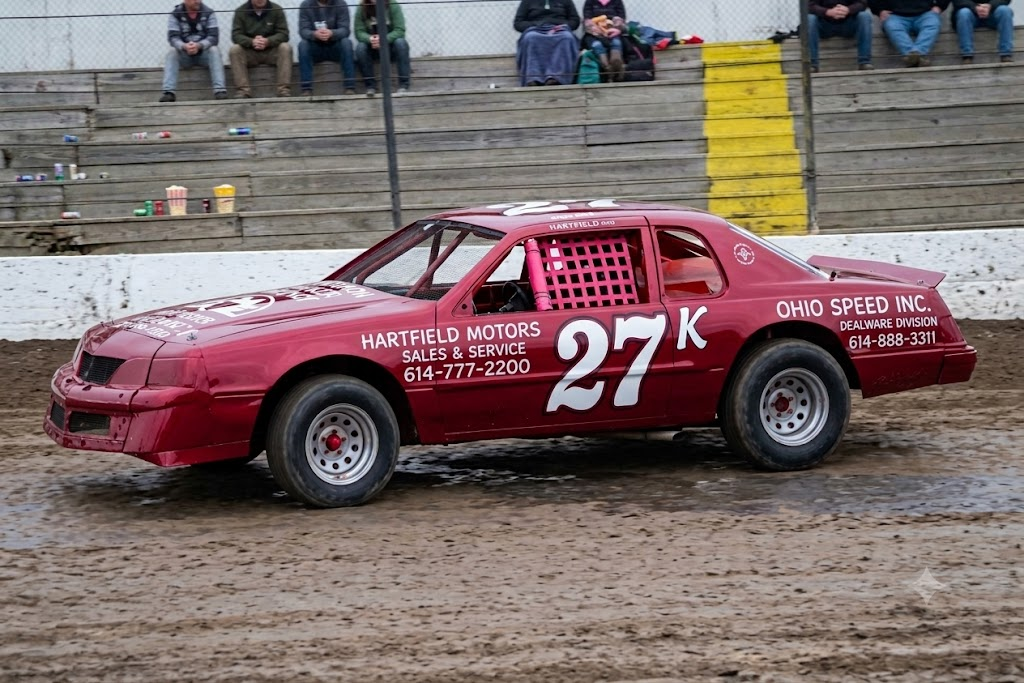
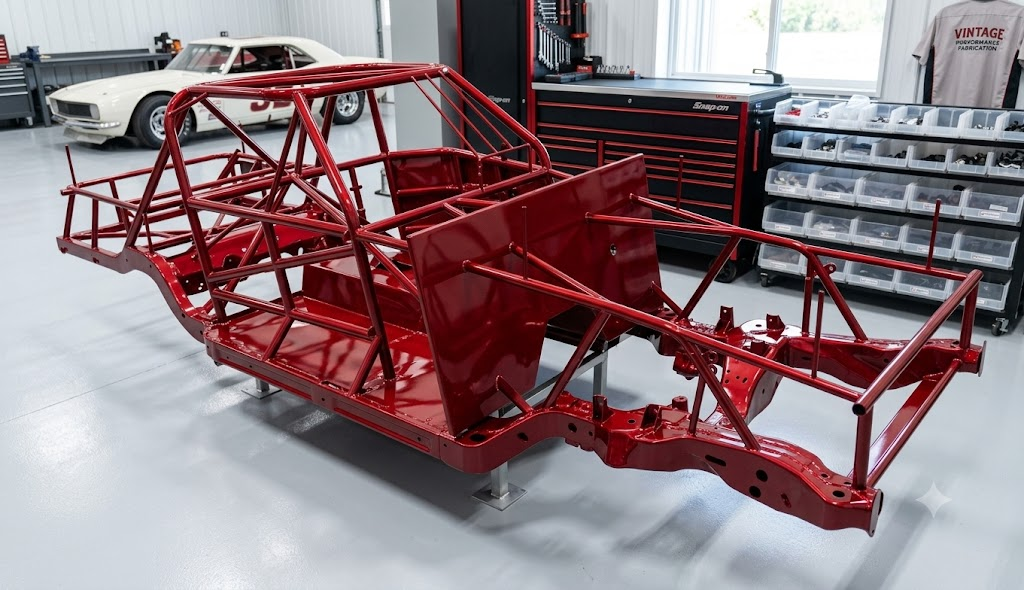
Selecting a solid and rule compliant chassis is the first step. Popular choices include older rear wheel drive GM, Ford, and Mopar platforms. The frame and body should be straight and free of excessive rust.
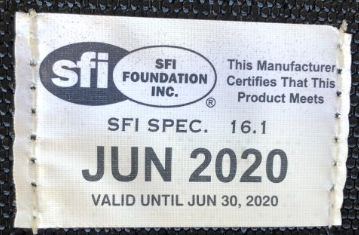
Safety is critical. Installing a properly built roll cage that meets track specifications is mandatory. A racing seat, harness, window net, and fire suppression equipment are also required.
Starting with a clean and structurally sound car saves time and money during the build process.
Hobby Stock engine rules usually limit modifications. Many classes specify stock intake manifolds, carburetors, and cylinder heads. Some tracks allow sealed crate engines or limited camshaft changes.
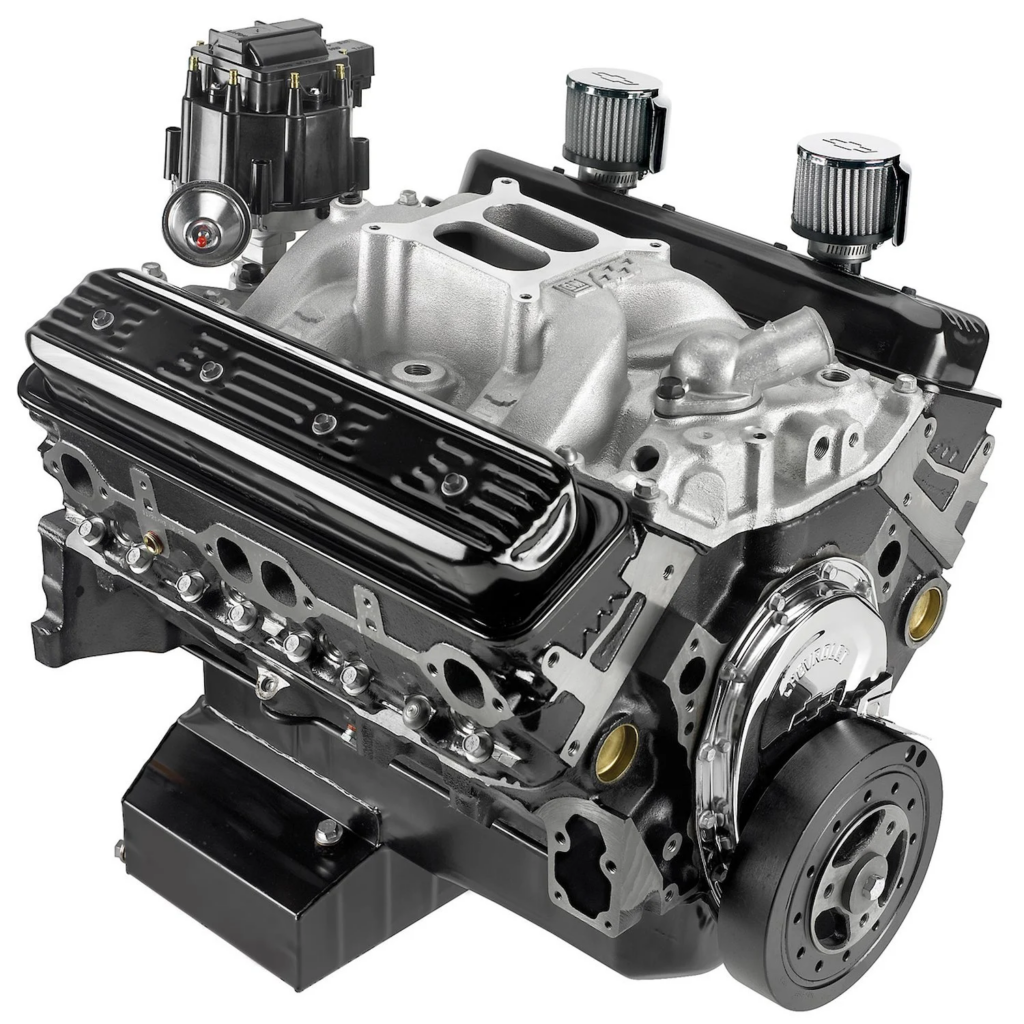
Reliability is key. A well built, rule compliant engine that runs consistently week after week is more valuable than pushing the limits and risking disqualification.
Transmission choice often includes stock manual or automatic units, depending on class rules. Rear end gearing should match track size and engine rpm range.

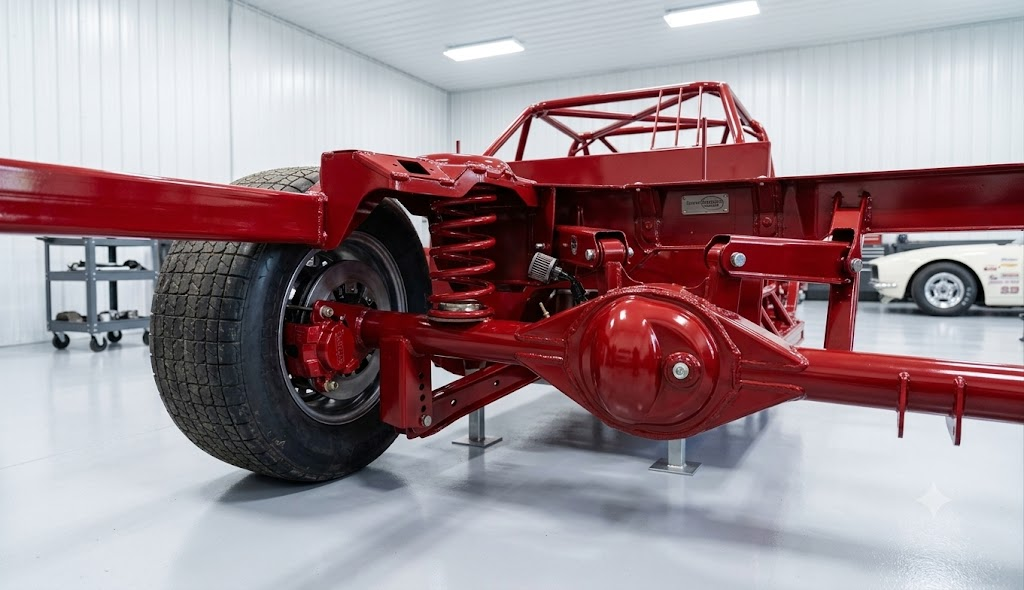
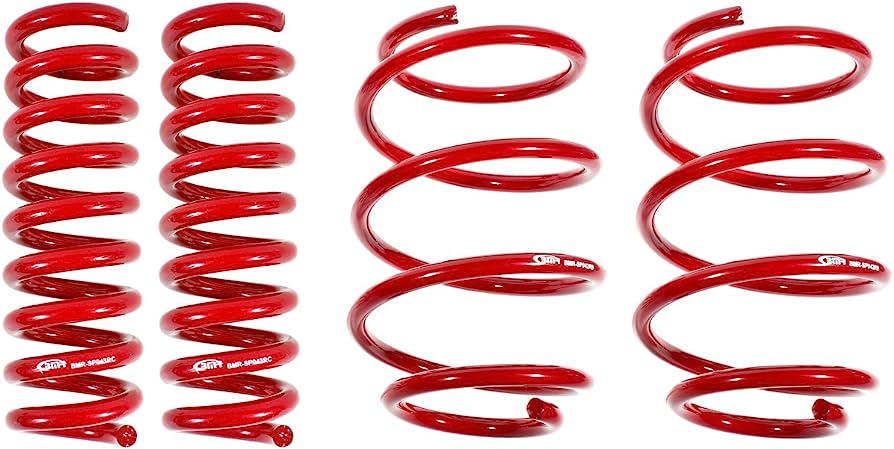
Suspension tuning plays a major role in Hobby Stock racing. While rules often require stock mounting locations, you can optimize springs, shocks, and alignment settings within the allowed limits.
Proper camber, caster, and toe settings improve tire contact and cornering grip. Adjustable shocks and quality bushings can help fine tune handling.
Balancing the car for consistent corner entry and exit speeds is often the difference between mid pack and podium finishes.
Sign up now to join the JEGS email newsletter and be the first to learn about new products, special deals and e-mail only offers!
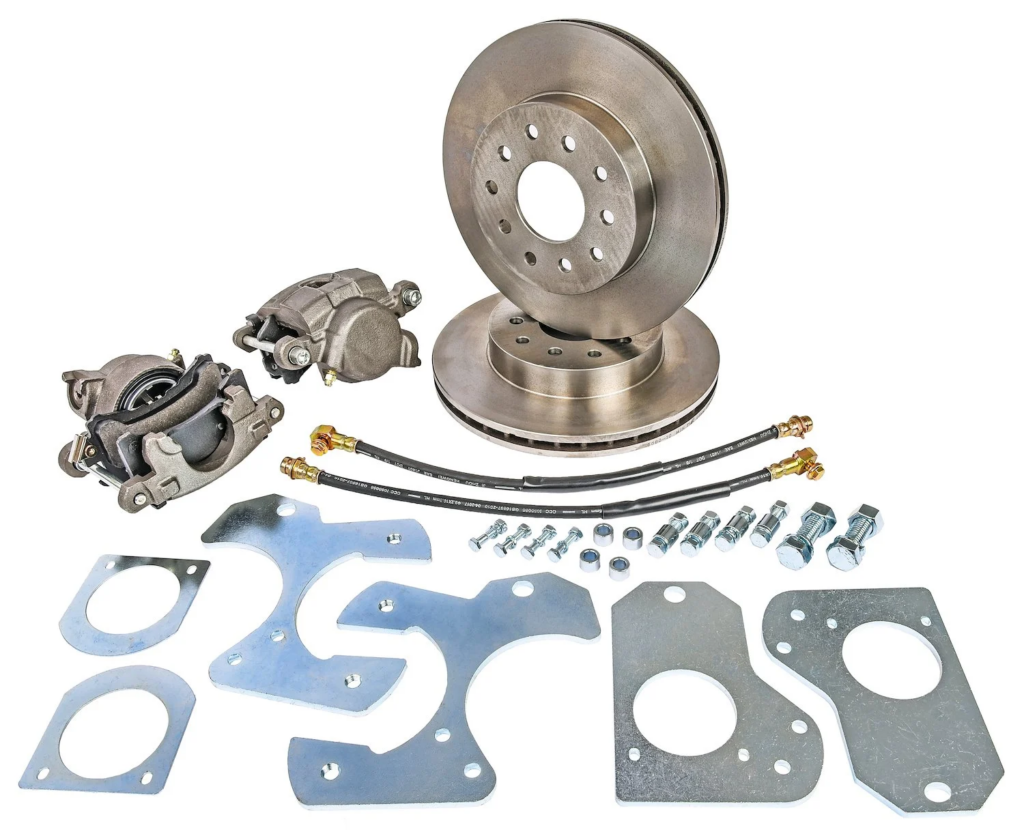
Strong and reliable brakes are essential for short track racing. Many Hobby Stock classes require stock style brake components, but upgrading to high quality pads, fresh rotors, and stainless brake lines can improve consistency.
Steering components should be inspected and reinforced where allowed. Eliminating play in tie rods and steering links improves driver control.
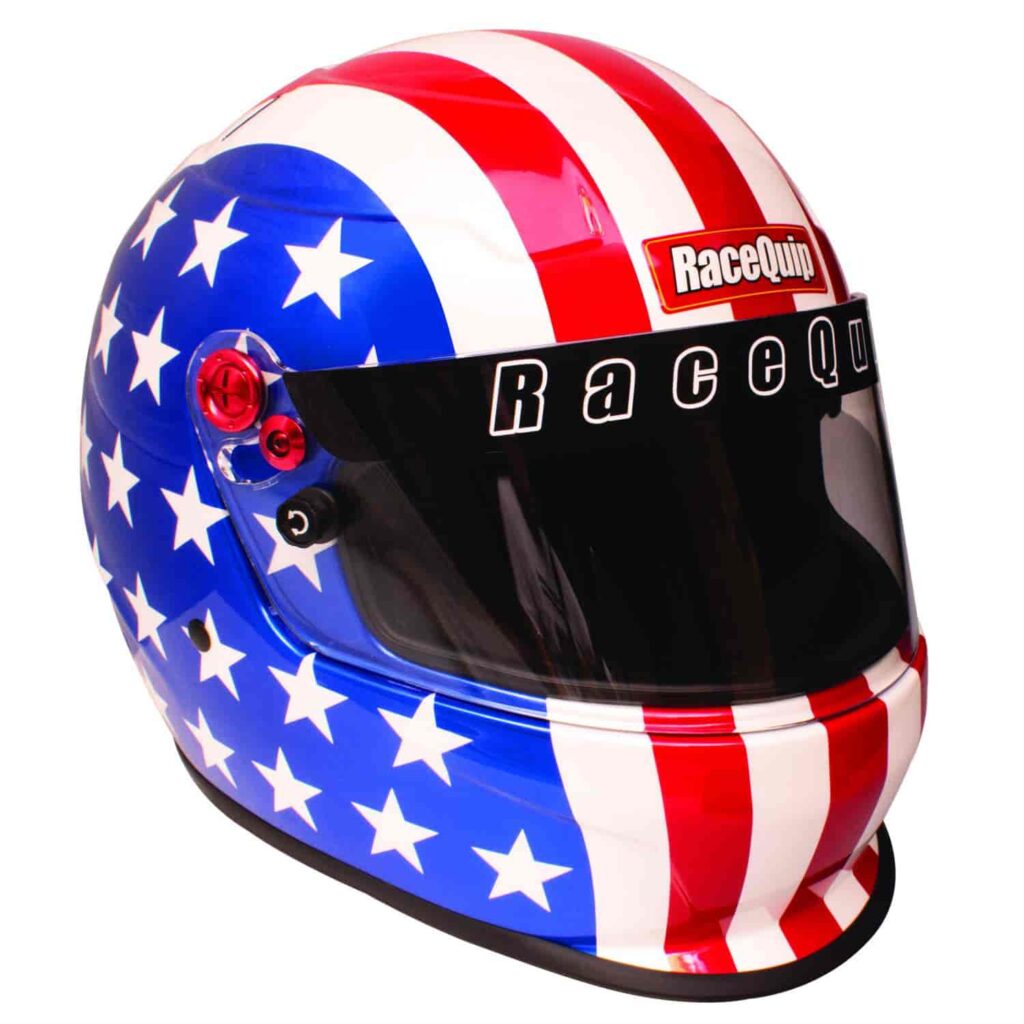
Safety should never be compromised. In addition to a roll cage, you will need a racing seat, five point harness, helmet, fire suit, gloves, and shoes that meet track regulations.
Proper installation of safety equipment protects the driver and ensures compliance with inspection standards.
Hobby Stock classes often mandate specific tire compounds to control costs. Choosing the correct air pressure and maintaining even tire wear is critical for performance.
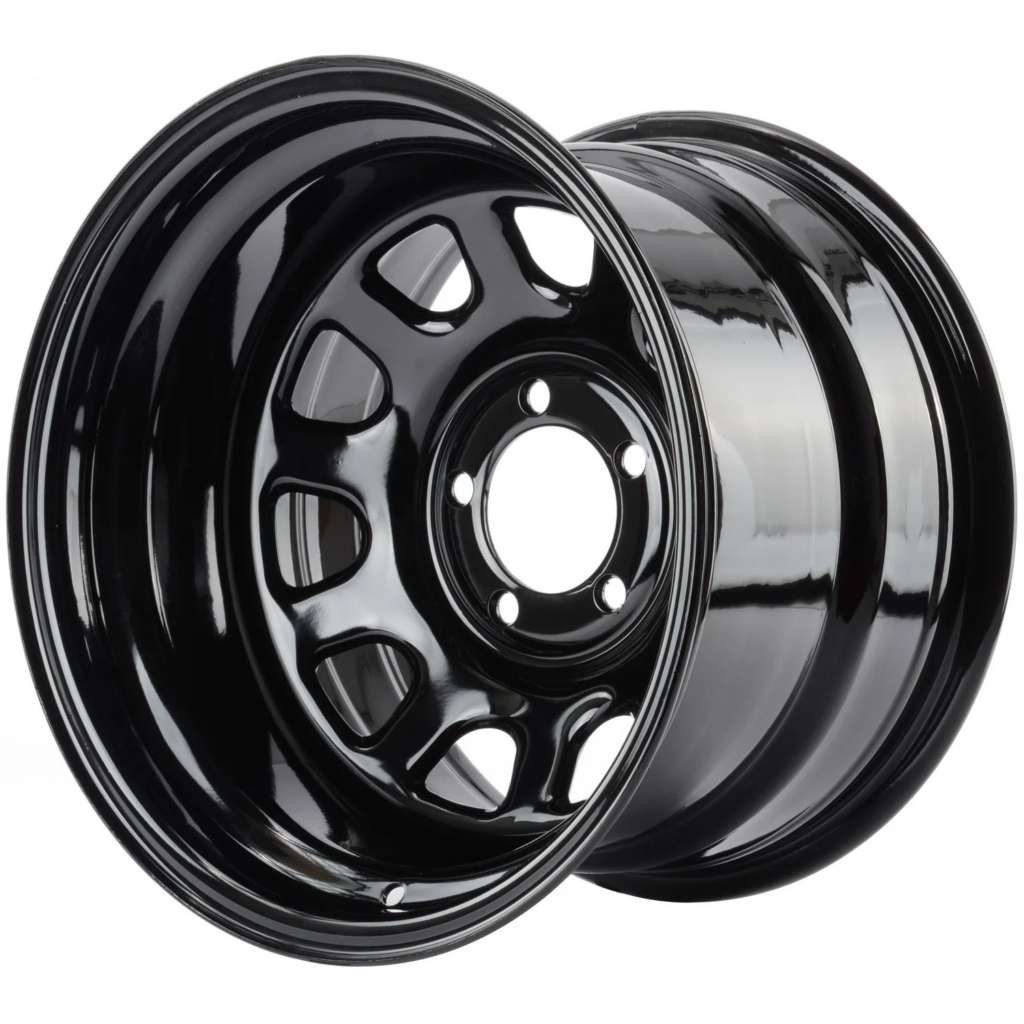
Steel wheels are common in many classes due to cost and rule requirements.
Success in Hobby Stock racing comes from preparation, reliability, and attention to detail. Staying within the rules while optimizing setup and maintenance will keep you competitive.
At www.jegs.com, you will find circle track parts, safety equipment, suspension components, brake upgrades, and drivetrain parts to help build and maintain your Hobby Stock race car.
If you need help selecting parts that meet your local rules and support your racing goals, the JEGS Tech Specialists are available to guide you toward the right components for a successful season.



Leave a Reply