Sign up now to join the JEGS email newsletter and be the first to learn about new products, special deals and e-mail only offers!

 249 People Found This Article Helpful
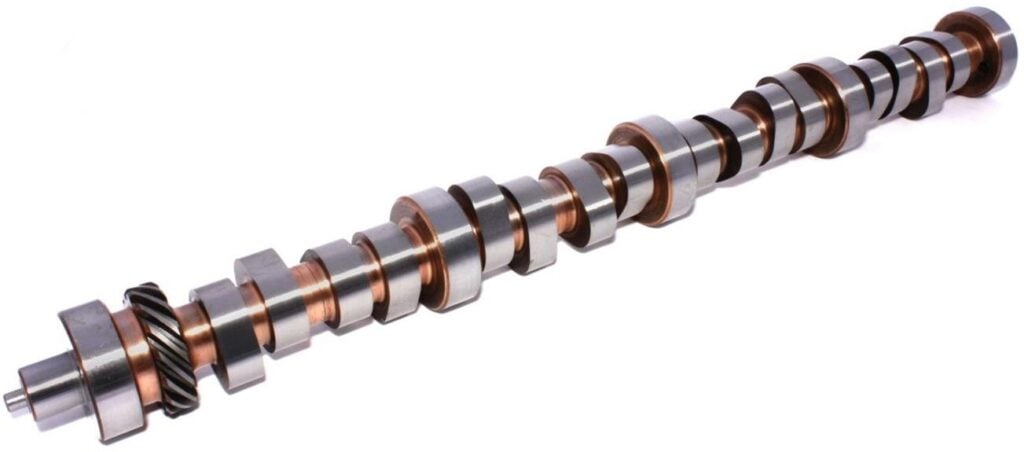

A camshaft is a core component of an engine’s valvetrain system. Its job is to control when the intake and exhaust valves open and close during the engine’s operating cycle. By managing valve timing, lift, and duration, the camshaft directly affects horsepower, torque, throttle response, and overall efficiency.
In most engines, the camshaft is driven by the crankshaft through a timing chain, timing belt, or gear set. As the camshaft rotates, its lobes push against lifters, which transfer motion through pushrods and rocker arms, or directly to the valves in overhead cam designs.
Camshafts are commonly found in several configurations:
• Overhead valve engines where the camshaft sits in the engine block
• Single overhead camshaft engines with one cam per cylinder head
• Dual overhead camshaft engines with separate intake and exhaust cams
• Engines equipped with variable valve timing systems that adjust cam timing based on operating conditions
Modern fuel injected engines also use a camshaft position sensor to provide precise timing data to the engine control module. This information is critical for fuel delivery, ignition timing, and emissions control.
Upgrading to a performance camshaft is one of the most effective ways to reshape how an engine makes power, especially when matched correctly with supporting components.
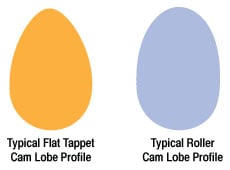
There are two primary camshaft designs used in performance and production engines: flat tappet cams and roller cams. The difference lies in how the cam lobe contacts the lifter.
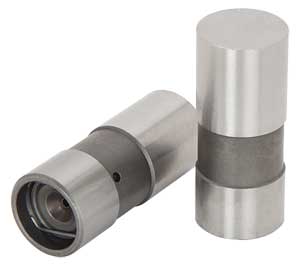
Flat tappet camshafts use lifters with a slightly crowned contact surface. While they appear flat, the subtle curve helps the lifter rotate as it rides on the cam lobe. Flat tappet cams have been widely used in traditional V8 engines for decades.
These camshafts are cost effective and simple in design, but they have limits. As valve spring pressure increases, wear between the cam lobe and lifter also increases. This limits how aggressive the cam profile can be. Proper lubrication and break in procedures are critical for long term durability.

Roller camshafts use lifters equipped with a small wheel that rolls along the cam lobe. This greatly reduces friction and allows for more aggressive lobe profiles. Roller cams support higher lift, faster valve action, and increased rpm capability.
Because they can handle higher spring pressures, roller camshafts are often preferred for high horsepower builds. While they cost more than flat tappet setups, the performance benefits and durability make them a popular choice for modern performance engines.
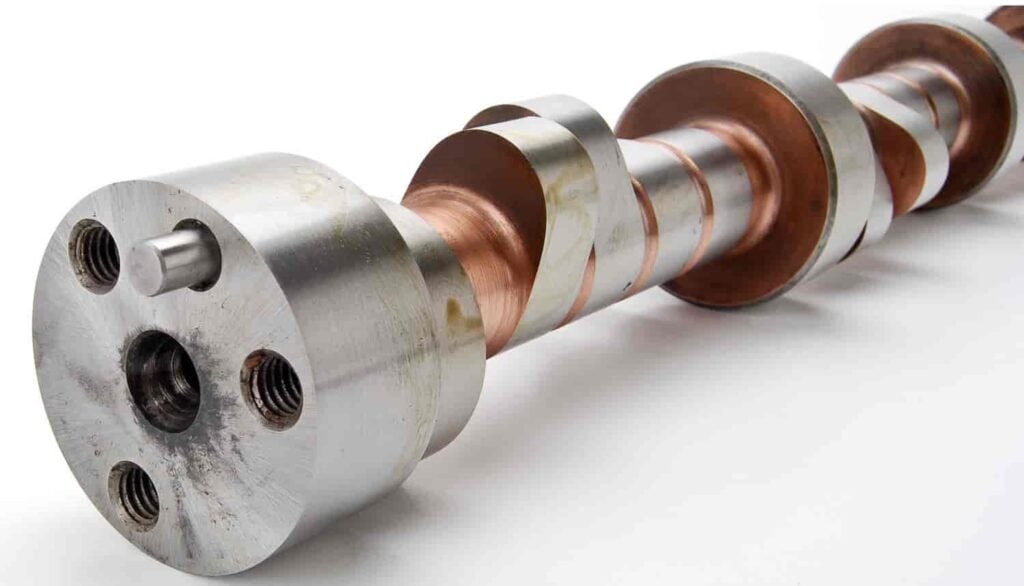
Camshaft lift describes how far the cam lobe moves the lifter. This is known as lobe lift. Valve lift is higher than lobe lift because the rocker arm multiplies that movement.
For example, a camshaft with .400 inches of lobe lift combined with a 1.5 to 1 rocker arm ratio results in .600 inches of valve lift. Changing the rocker ratio alters valve lift without changing the camshaft itself.
Higher lift allows more air and exhaust to flow through the engine, which can improve power. However, increased lift places greater demands on valve springs and can create piston to valve clearance concerns. Before selecting a higher lift camshaft, it is essential to confirm that valve springs, retainers, and clearances are compatible.
Duration refers to how long a valve remains open and is measured in degrees of crankshaft rotation. Camshaft duration is commonly listed at .050 inches of lifter rise. This standard allows meaningful comparisons between different camshaft manufacturers.
This value indicates how many degrees the crankshaft rotates while the intake valve is open beyond .050 inches of lift.
This value shows how long the exhaust valve remains open beyond .050 inches of lift.
Longer duration generally improves high rpm power but reduces low rpm torque and idle quality. Shorter duration favors street drivability and strong low end response.
Lobe separation angle is the distance in degrees between the peak lift points of the intake and exhaust lobes for a single cylinder. In most V8 engines, this angle typically falls between 104 and 115 degrees.
Lobe separation influences valve overlap, which is the period when both intake and exhaust valves are open at the same time.
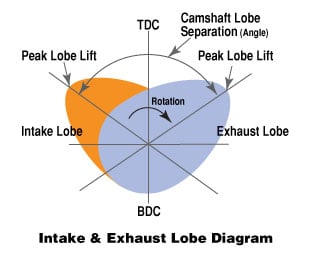
A narrower angle increases overlap. This raises cylinder pressure and can improve mid range power. The tradeoff is rougher idle quality and lower vacuum, which can affect street manners and power brake performance.
A wider angle reduces overlap. This produces smoother idle characteristics, improved vacuum, and broader torque delivery. These cams are often better suited for street driven vehicles and towing applications.
Sign up now to join the JEGS email newsletter and be the first to learn about new products, special deals and e-mail only offers!

Camshaft selection can feel overwhelming, but following a few proven guidelines helps narrow the options.
Rule One: If a professional engine builder is assembling your engine, rely on their experience. Camshaft selection is as much art as science.
Rule Two: Bigger is not always better. Choosing a cam that is too aggressive often results in lost performance and poor drivability. When in doubt, select the smaller camshaft.
Every camshaft is designed to operate within a specific rpm range. This range should match how the vehicle is driven.
Street vehicles benefit from cams designed for idle to 5500 or 1500 to 6500 rpm. High rpm race engines that operate near redline require cams designed for 2500 to 7000 or higher.
Camshaft manufacturers include short descriptions outlining intended use and driving characteristics. These summaries provide valuable insight without requiring advanced technical knowledge. Matching the description to your goals often leads to the best result.

| Camshaft Type | Distributor Gear |
|---|---|
| Cast Iron Hydraulic or Solid Flat Tappet Cam | Cast Iron Gear Composite Gear |
| Austempered Ductile Iron Hydraulic or Solid Roller or Nitrided Cam | Melonized / Hardened Steel Gear Composite Gear |
| Billet Steel Hydraulic or Solid Roller Cam | Bronze Gear Composite Gear |
A camshaft never works alone. Proper performance depends on matching parts such as:
• Cylinder heads
• Valve springs and retainers
• Pushrods and rocker arms
• Intake and exhaust systems
• Torque converters and gearing
Ignoring these components can limit gains or create reliability issues.
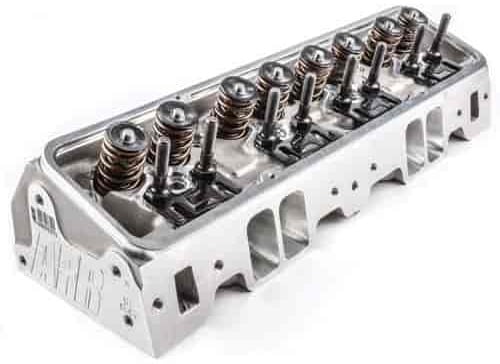
Proper camshaft break in is critical, especially for flat tappet camshafts. Many early cam failures happen during the first startup because the break in process was rushed or skipped. Following the correct procedure protects the cam lobes and lifters while they establish a proper wear pattern.
Flat tappet cams require special attention because the cam lobe slides against the lifter rather than rolling.
Before starting the engine:
• Apply camshaft assembly lube generously to all cam lobes and lifter faces
• Use new lifters that are matched to the camshaft
• Fill the engine with high zinc break in oil
• Prime the oiling system to ensure immediate oil pressure
Initial startup procedure:
• Start the engine and immediately bring rpm to 2000 to 2500
• Do not allow the engine to idle during the first startup
• Maintain this rpm range for 20 to 30 minutes
• Vary engine speed slightly during this time
After break in:
• Allow the engine to cool completely
• Change the oil and filter
• Recheck valve lash or preload if applicable
Following this process ensures proper lubrication and reduces the risk of cam lobe failure.
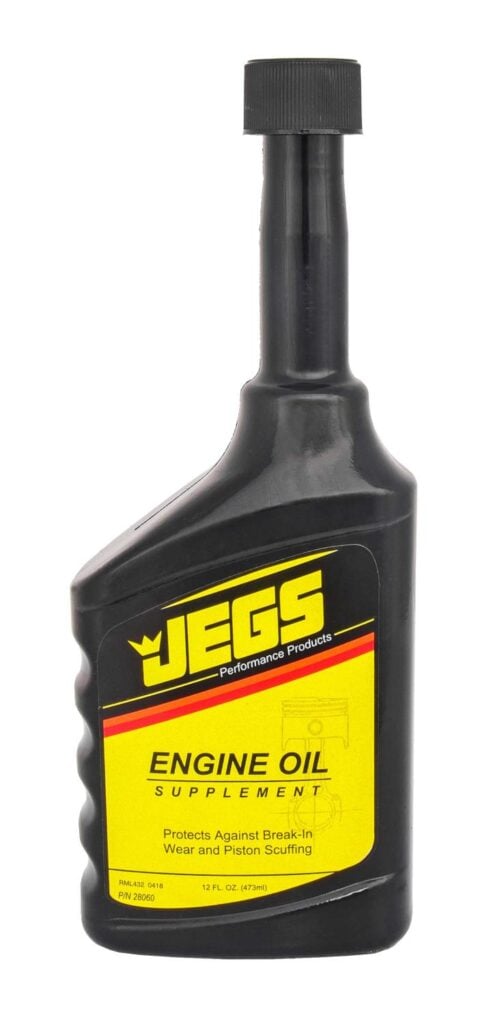
Roller camshafts do not require the same aggressive break in process because the lifter rides on a rolling wheel. However, good practices still apply.
• Use proper assembly lube on bearings and journals
• Verify correct valve spring pressures
• Prime the oil system before startup
• Avoid extended idling during initial heat cycles
Even though roller cams are more forgiving, careful setup still improves long term reliability.
Choosing the wrong camshaft or installing it incorrectly can limit performance or create drivability issues. These are some of the most common mistakes enthusiasts make.
One of the most frequent mistakes is selecting a camshaft that is too large for the engine combination. Excessive duration or lift can cause poor idle quality, weak low rpm torque, and reduced vacuum. Bigger cams only work well when compression ratio, cylinder heads, gearing, and torque converter are properly matched.
A camshaft cannot deliver its full potential if the rest of the engine is not up to the task. Weak valve springs, restrictive exhaust systems, or stock cylinder heads can limit airflow and negate camshaft gains. Always verify compatibility between the camshaft and the supporting parts.

Valve springs must match the camshaft lift and rpm range. Springs that are too weak can cause valve float. Springs that are too stiff can accelerate wear and reduce reliability. Spring pressure should always meet the cam manufacturer’s recommendations.
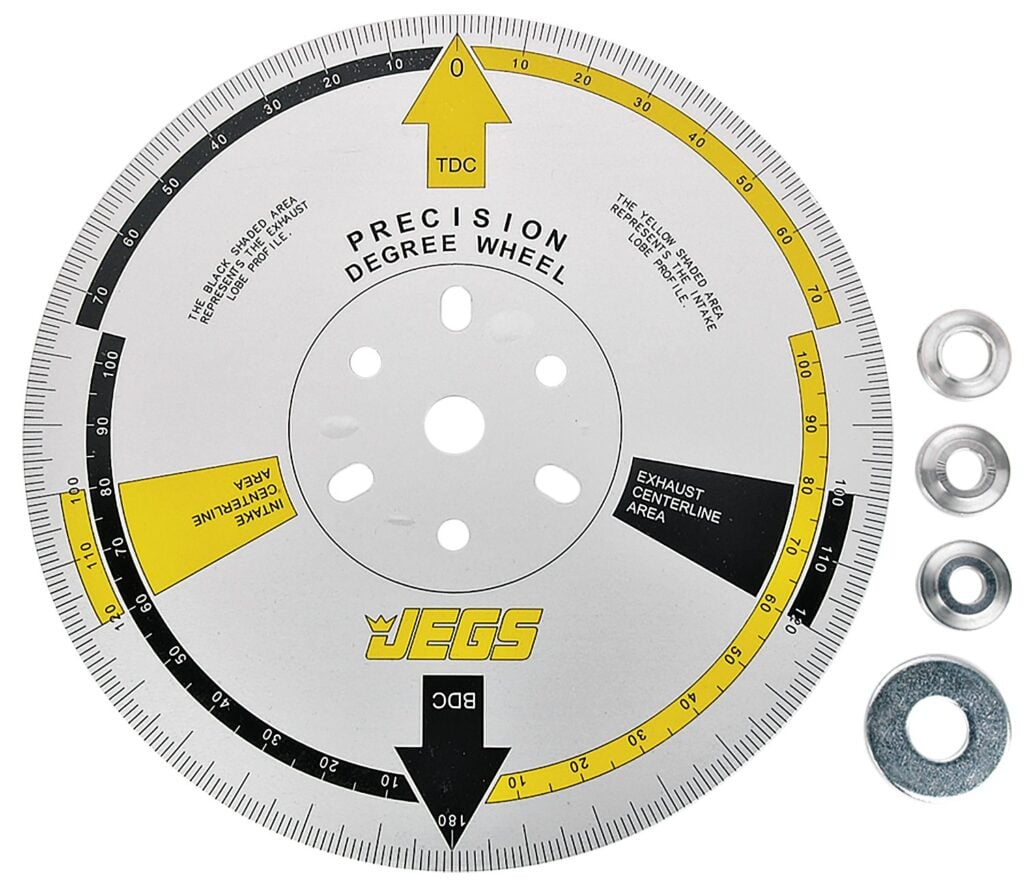
Installing a camshaft without verifying cam timing can lead to reduced power or mechanical interference. Degreeing the camshaft ensures that valve events occur exactly where the cam designer intended. This step is especially important in performance builds.
Flat tappet lifters develop a wear pattern that must match the cam lobe. Reusing old lifters on a new camshaft can cause rapid failure. Always use new lifters with a new camshaft.
Camshaft selection involves many variables. Compression ratio, vehicle weight, transmission type, and intended use all matter. Consulting an experienced builder or using manufacturer recommendations often prevents costly mistakes.
If an engine does not perform as expected after a camshaft installation, the issue is often related to setup rather than the camshaft itself. Identifying symptoms early can prevent damage and help restore performance.
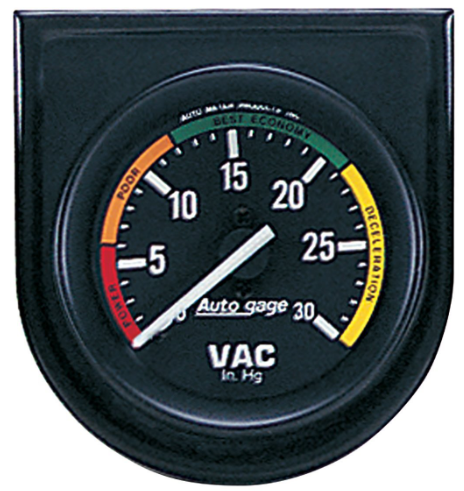
A rough idle or low vacuum is commonly caused by a camshaft with too much duration or too tight of a lobe separation angle for the application. This is especially noticeable in street driven vehicles with stock compression ratios and accessories that rely on vacuum.
Loss of low end power usually points to a camshaft that is designed to operate at higher engine speeds than the vehicle typically sees. This can also happen when the torque converter or rear gearing does not match the cam’s intended rpm range.
Excessive ticking or clatter may indicate incorrect valve lash, improper lifter preload, or valve springs that are not matched to the camshaft. Noise should never be ignored, as it can signal accelerated wear.
Flat tappet camshaft failures often trace back to incorrect break in procedures, low zinc oil, or reused lifters. Cam lobe wear that appears early is almost always related to lubrication or initial startup issues.
Incorrect cam timing or a camshaft installed without degreeing can shift valve events enough to reduce efficiency. This can result in higher operating temperatures, sluggish throttle response, or detonation.
Before purchasing a camshaft, review the following checklist to ensure the best match for your engine and driving goals. Taking the time to verify these details can save money and prevent performance issues.
• Engine displacement and compression ratio
• Cylinder head airflow and valve size
• Intake and exhaust system design
• Intended rpm range and driving style
• Vehicle weight and rear gear ratio
• Transmission type and torque converter stall speed
• Fuel type and octane availability
• Valve spring compatibility with lift and rpm
• Piston to valve clearance
• Flat tappet or roller lifter compatibility
If any of these factors are unknown, consulting a camshaft manufacturer or a knowledgeable performance technician is strongly recommended.
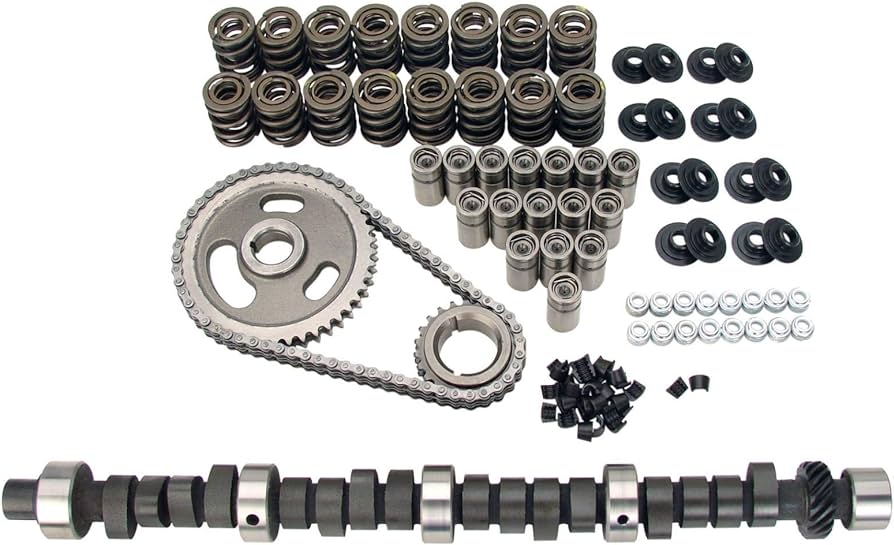
JEGS carries a wide selection of camshafts from trusted manufacturers including Comp Cams, Edelbrock, Ford Performance, Chevrolet Performance, Mopar Performance, Lunati, Crower, and the JEGS brand. Whether you are building a street cruiser, weekend racer, or full competition engine, JEGS offers the parts and expertise to help you choose confidently.
Visit www.jegs.com to explore camshaft options, compare specifications, and get expert support for your engine build.



Leave a Reply