Sign up now to join the JEGS email newsletter and be the first to learn about new products, special deals and e-mail only offers!

 65 People Found This Article Helpful


Upgrading or tuning a carburetor is one of the most effective ways to improve the performance of a classic or carbureted vehicle. A properly adjusted carburetor delivers the right air and fuel mixture at every throttle position, which results in better throttle response, smoother idle, and stronger overall power.
Edelbrock carburetors are known for their reliability, ease of tuning, and consistent performance. Learning how to adjust an Edelbrock carburetor correctly helps you get the most out of your engine without sacrificing drivability.
This guide walks through the key adjustments step by step and covers common tuning issues so you can dial in your setup with confidence.
Before making any adjustments, make sure the engine is in good mechanical condition. Carburetor tuning cannot fix ignition or vacuum problems.
Recommended tools:
• Flat blade screwdriver
• Tachometer or vacuum gauge
• Carburetor cleaner
• Timing light
• Clean shop rags
Baseline checks to complete first:
• Engine fully warmed to operating temperature
• Ignition timing set correctly
• No vacuum leaks
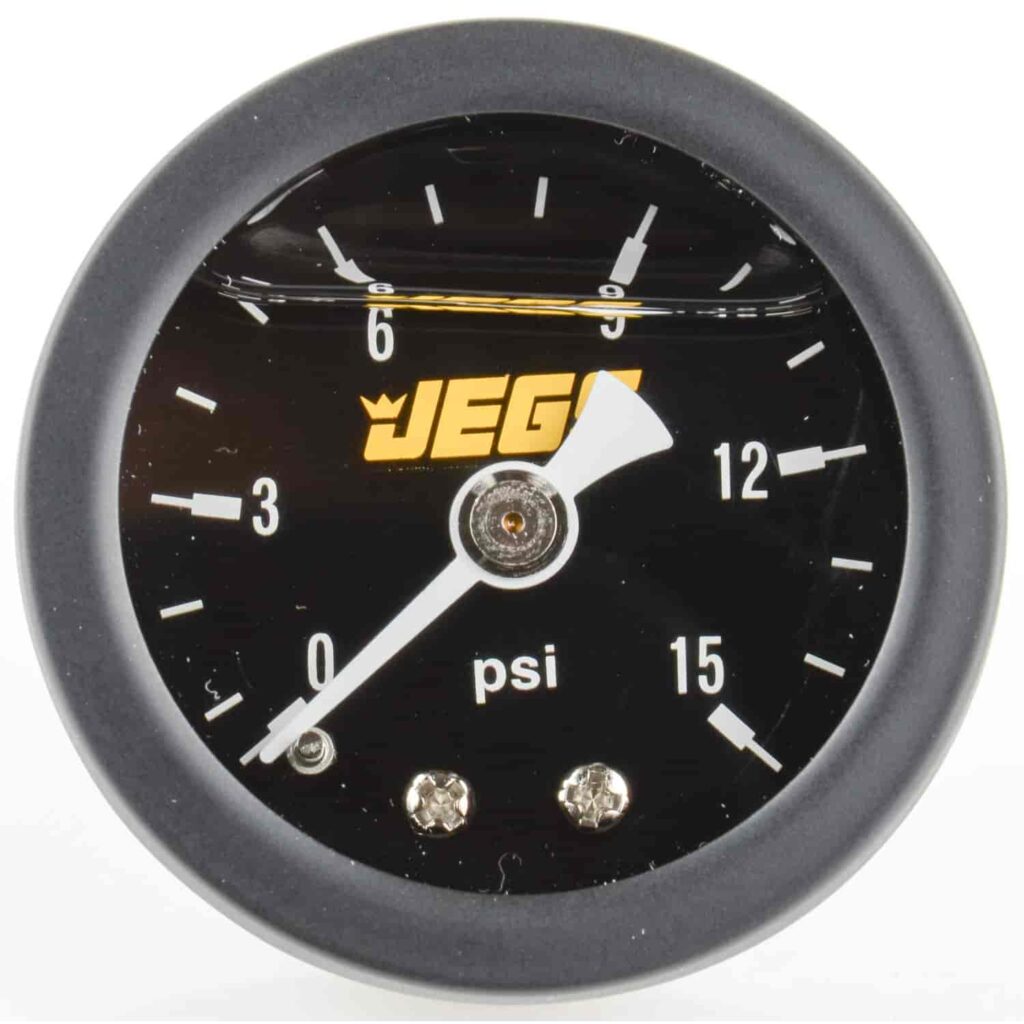
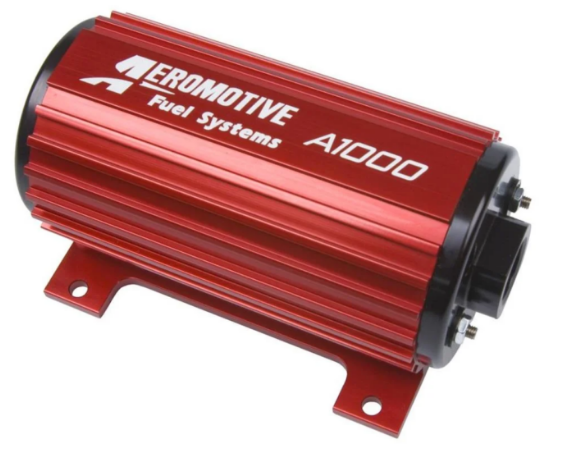
• Proper fuel pressure between five and six psi
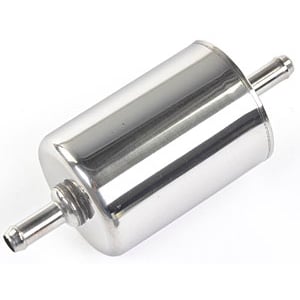
• Clean fuel filter and air filter
Starting with a solid baseline prevents chasing tuning problems that are not carburetor related.
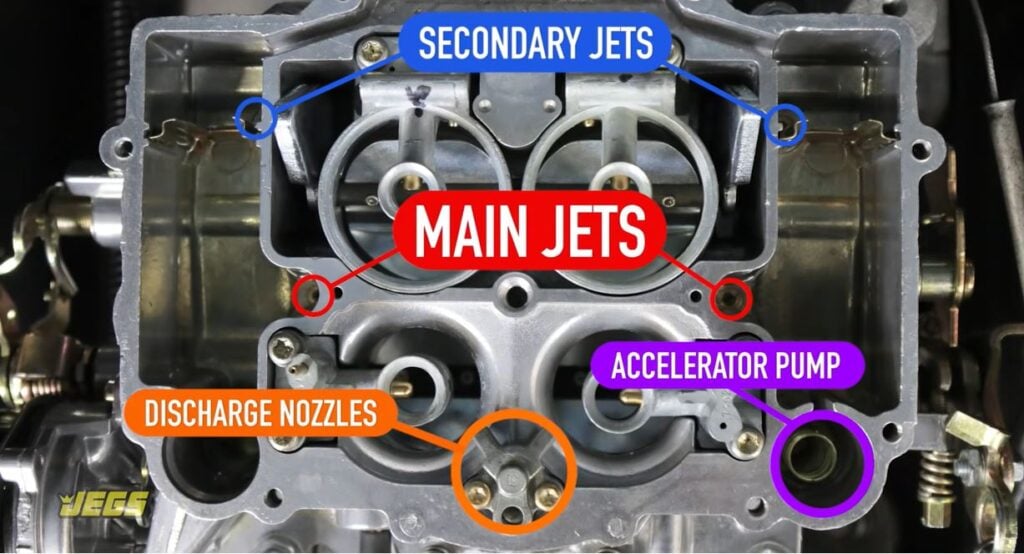
Once the engine is warm and stable, you can begin adjusting the carburetor for idle quality and drivability.
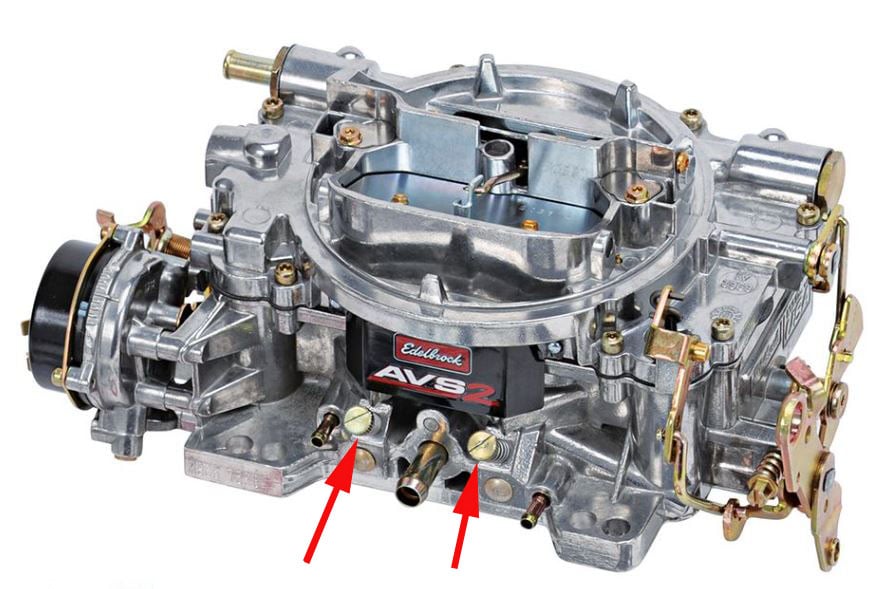
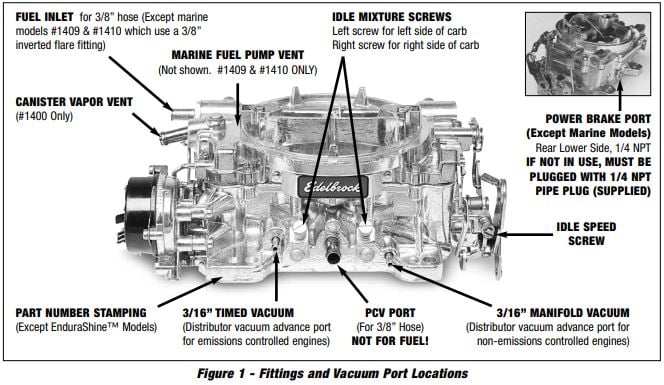
Idle mixture adjustment is one of the most important steps when tuning an Edelbrock carburetor.
Steps to adjust idle mixture:
Turning the screws in leans the mixture. Turning them out richens it. The goal is the smoothest idle with stable rpm.
After adjustment, reset idle speed if needed using the idle speed screw.
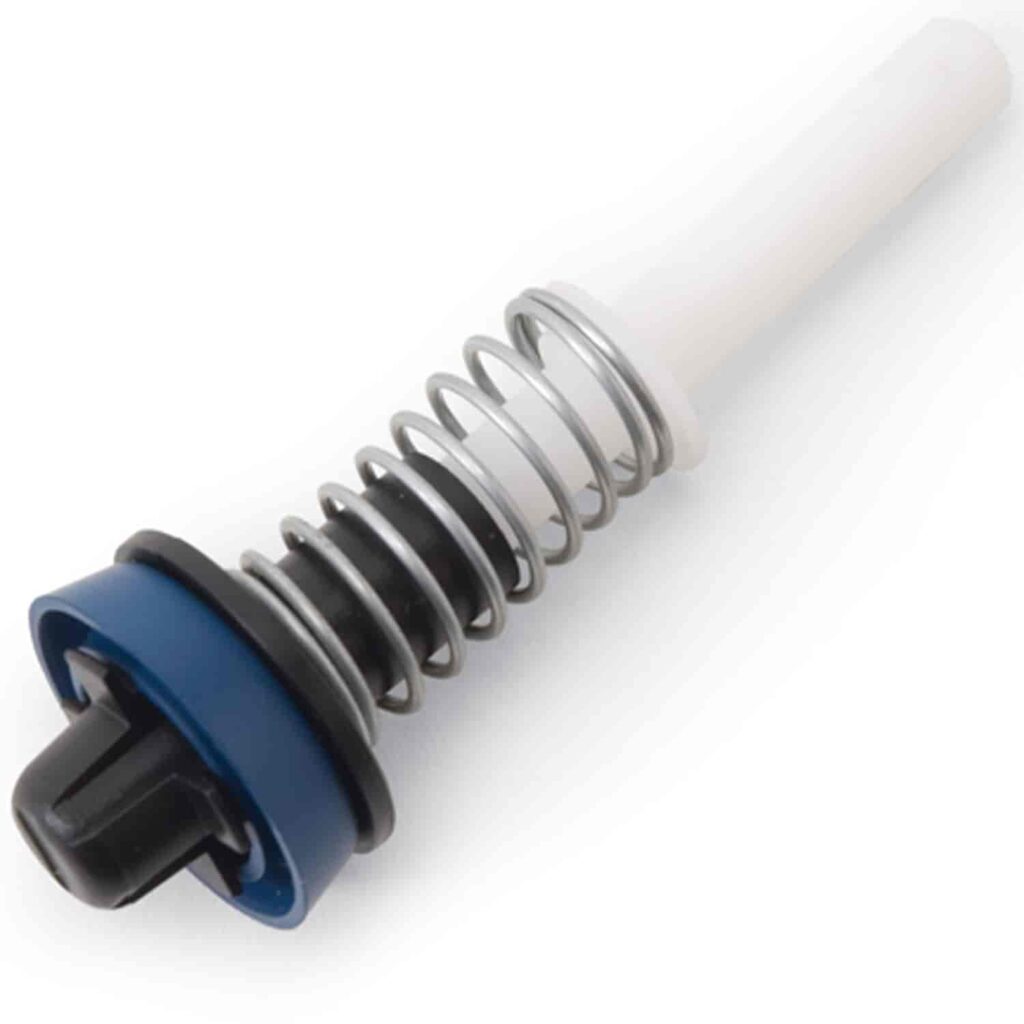
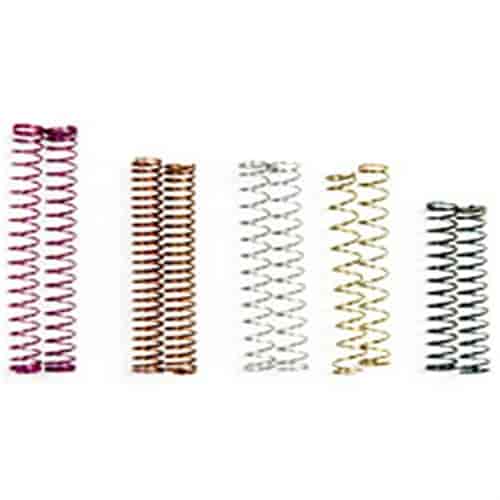
Edelbrock Thunder AVS2 carburetors use an adjustable secondary air valve to control how quickly the secondary barrels open.
This adjustment affects part throttle and wide open throttle response.
• Tightening the spring delays secondary opening
• Loosening the spring allows the secondaries to open sooner
If the engine bogs when accelerating hard, tighten the spring slightly. If the engine feels restricted at higher rpm, loosen the spring in small increments.
Make only small changes and test drive after each adjustment.

Sign up now to join the JEGS email newsletter and be the first to learn about new products, special deals and e-mail only offers!
Throttle response is one of the main reasons enthusiasts upgrade to an Edelbrock carburetor. Proper adjustment makes a noticeable difference.
The accelerator pump delivers extra fuel when the throttle opens suddenly. Edelbrock carburetors allow adjustment by changing the pump linkage position.
• Upper hole delivers a leaner fuel shot
• Lower hole delivers a richer fuel shot
If the engine hesitates or stumbles when the throttle is applied, move the linkage to a richer position. If throttle response feels lazy or overly rich, try a leaner setting.
This adjustment is especially important on vehicles with heavier weight or taller gearing.
Vacuum leaks cause poor idle quality, hesitation, and lean conditions.
Common leak areas include:
• Carburetor base gasket
• Vacuum hoses
• PCV valve connections
• Brake booster line
To check for leaks, let the engine idle and carefully spray carburetor cleaner around suspected areas. A change in rpm indicates a leak. Fixing vacuum leaks often solves tuning problems immediately.
Once basic adjustments are complete, supporting components play a major role in overall performance.
A carburetor can only deliver what the engine can breathe.
• Use a high flow air filter
• Ensure the air cleaner lid does not restrict airflow
• Consider a carburetor spacer for performance applications
Carburetor spacers can increase plenum volume and shift the powerband higher in the rpm range, which can be beneficial for racing or aggressive street builds.


Fuel supply issues often mimic carburetor problems.
• Confirm fuel pressure stays between five and six psi
• Replace old or clogged fuel filters
• Inspect fuel lines for restrictions or heat exposure
Too much fuel pressure can overpower the needle and seat, causing flooding. Too little pressure leads to lean conditions under load.
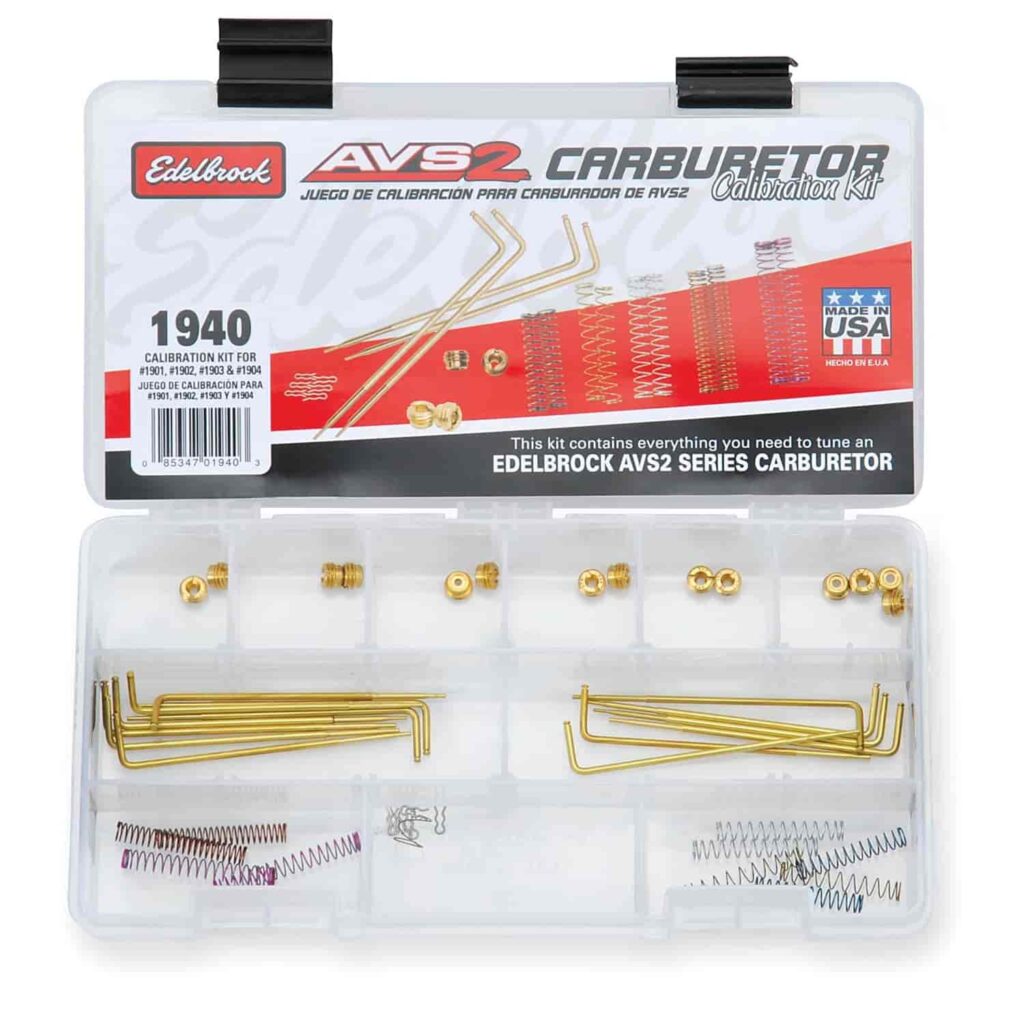
Idle and accelerator pump adjustments handle most street tuning needs. Jet and metering rod changes are only required when engine modifications significantly alter airflow.
You may need to rejet if you have:
• Installed aftermarket cylinder heads
• Added a larger camshaft
• Increased engine displacement
• Changed intake or exhaust systems
Edelbrock calibration kits make jet changes straightforward and repeatable.
Avoid these common errors to save time and frustration.
• Adjusting the carburetor before setting ignition timing
• Making multiple changes at once
• Ignoring vacuum leaks
• Running incorrect fuel pressure
• Over tightening mixture screws
Small, methodical adjustments always produce the best results.
JEGS carries a full selection of Edelbrock carburetors, calibration kits, gaskets, spacers, fuel system components, and tuning tools. Whether you are dialing in a street cruiser or fine tuning a performance build, JEGS has the parts and expert support to help you get it right.
Visit www.jegs.com to shop Edelbrock carburetors and performance parts and take your vehicle to the next level.


Greetings,
Carb 1906 avs2.
Vehicle ’75 sbc K20 pickup 5.7.
Can’t adjust idle– screw backed out not touching cam ofling at 950 rpm.
Been this way since day one or so. Haven’t bothered with it since truck is used very infrequently just for lumber yard runs a dozen times a year.
Getting tired of this high idle issue.
Please advise.
Thank you,
Aren

Hi Aren, thanks for reaching out! If your 1975 Chevy K20 with the Edelbrock 1906 AVS2 carburetor is idling around 950 RPM even with the idle speed screw backed out completely, something may be allowing additional air into the engine or preventing the throttle plates from closing fully. We’d recommend checking the throttle linkage and return springs to make sure the throttle closes completely, inspecting for vacuum leaks around the carburetor base and intake manifold, and verifying that the electric choke is fully opening once the engine reaches operating temperature. It’s also worth checking the ignition timing, as excessive initial timing or an improperly adjusted distributor can contribute to a higher-than-normal idle speed. Since your truck is driven infrequently, we’d also recommend inspecting the carburetor for sticking components or fuel-related deposits. If you have any additional questions or would like help troubleshooting your specific setup, one of our JEGS Techs would be happy to assist you at 1-800-345-4545.

Hi,
I’m in Sydney Australia and have a 56 F100 with a 302 cleveland runa 650 edlebrock carburettor and an electric fuel pump which puts out between 4 to 8 psi aeroflow.
The truck is running really ritch, ive put a vacuum gauge on to adjust it but the needle doesn’t move at all no matter how much I adjust the fuel mixture screws. Any ideas, I was thinking about going back to an original mechanical fuel pump. Cheers
Will, if the vacuum gauge needle doesn’t respond at all when you adjust the idle mixture screws, that usually points to something other than the fuel pump. On an Edelbrock carburetor, the idle mixture screws only affect the idle circuit. If turning them in and out makes little or no difference, a few things come to mind.
First, make sure the engine is fully warmed up and idling at the correct RPM. If the throttle blades are open too far because of the idle speed adjustment, the engine can start pulling fuel from the transition circuit instead of the idle circuit, making the mixture screws much less effective.
Second, check for vacuum leaks. A vacuum leak can cause the mixture screws to become unresponsive and make tuning difficult. Inspect all vacuum hoses, carburetor base gaskets, intake manifold gaskets, brake booster hose, and any unused vacuum ports.
Third, if the carburetor is running very rich, the float levels may be too high or there could be debris affecting the needle and seat assemblies. An Edelbrock 650 is generally happiest with fuel pressure around 5 to 6 PSI. While your pump’s advertised range of 4 to 8 PSI may be acceptable, some electric pumps can momentarily exceed their rated pressure, so it is worth verifying the actual pressure at the carburetor with a gauge.
Going back to a mechanical fuel pump may help if the electric pump is supplying excessive pressure, but based on your description, I would investigate the carburetor setup and vacuum leaks before replacing the pump.
One other clue would be the vacuum gauge reading itself. If the needle is steady, fluctuating, or unusually low, that can help narrow down whether the issue is carburetion, ignition timing, a vacuum leak, or even the camshaft.
If you’d like help working through the tuning process, give us a call at 1-800-345-4545 and a Tech Specialist can help you diagnose the rich condition step by step.

When I am driving and stop hit the gas just a little bit and let off the engine dies. I have5 to 6 pounds. I change the metering rods to next size up with pink step up spring. Vacuum idle is 19-20. I have a Edelbrock AVS 2 1906 carburetor. I think it was running rich. Change metering rods to 0.70 x .42. Still does the same
Robert, based on what you described, this does not sound like a metering rod issue. With 19 to 20 inches of vacuum at idle and 5 to 6 psi of fuel pressure, your base tune is in a reasonable range. The fact that it dies when you barely crack the throttle and then let off points more toward an idle circuit or transition slot issue rather than the main metering system. On an Edelbrock AVS2, that small tip in and release is handled by the idle and transition circuit, not the primary metering rods. If the idle speed is set too low or the idle mixture screws are slightly lean, the engine can stumble and die when the throttle blades close quickly. I would start by verifying that your curb idle speed is correct when fully warmed up, then fine tune the idle mixture screws for highest steady vacuum and smoothest idle. Another common cause is throttle blades being closed too far, which does not expose enough transition slot. In that case, the engine relies too heavily on the idle circuit and stalls when the throttle snaps shut. Also check the accelerator pump adjustment. Even though it feels like a decel stall, a weak or delayed pump shot can cause a slight lean tip in that leads to stalling when you lift. Since you changed rods and springs and the symptom did not change, that further confirms it is not a cruise mixture problem. If you would like to walk through the idle mixture and transition setup step by step, give us a call at 1-800-345-4545 and one of our JEGS Tech Specialists will be glad to help you dial it in properly.

hi please can you help me out,have 64 falcon 302, ellterbrook 500 carp,it starts first time then after 5 mins it just stops as if run out fuel.restart and does the same again have you an answer for this please, yours mike hardisty.
Mike, what you are describing is a very common issue on older carbureted setups and it usually comes down to fuel delivery or choke operation once the engine warms up. Since it starts easily cold and then shuts off after about five minutes, the first thing to check is the electric choke on the Edelbrock 500. As the engine warms up, the choke blade should be fully opening. If the choke stays partially closed, the engine will load up with fuel and stall, then act like it is out of fuel until it cools a bit. Make sure the choke has a proper 12 volt keyed ignition source and that the housing is adjusted so the blade is fully open when warm. Another common cause is fuel pressure. Edelbrock carbs are sensitive to excess pressure and want to see about 5 to 6 psi. If the fuel pump is pushing more than that, the needle and seat can be overpowered once things heat up, leading to flooding or erratic fuel control. Vapor lock is also something to look at on a 1964 Falcon, especially if the fuel line runs close to headers or the intake. Heat can boil the fuel in the line, which causes the bowls to run dry and the engine to stall exactly the way you described. Rerouting the fuel line, adding insulation, or making sure the carb spacer is in place can help reduce heat soak. Lastly, check that the idle mixture and idle speed are set correctly once the engine is fully warm, not cold. An idle that is set too low can cause stalling as the choke comes off. If you would like to talk through these checks step by step or want help dialing in the carb once it is warm, you can call 1-800-345-4545 and speak with a tech specialist to handle any additional questions you might have.

Thanks Pete, been wondering how to now I know. VERY INFORMATIVE





Leave a Reply