Sign up now to join the JEGS email newsletter and be the first to learn about new products, special deals and e-mail only offers!

 2 People Found This Article Helpful
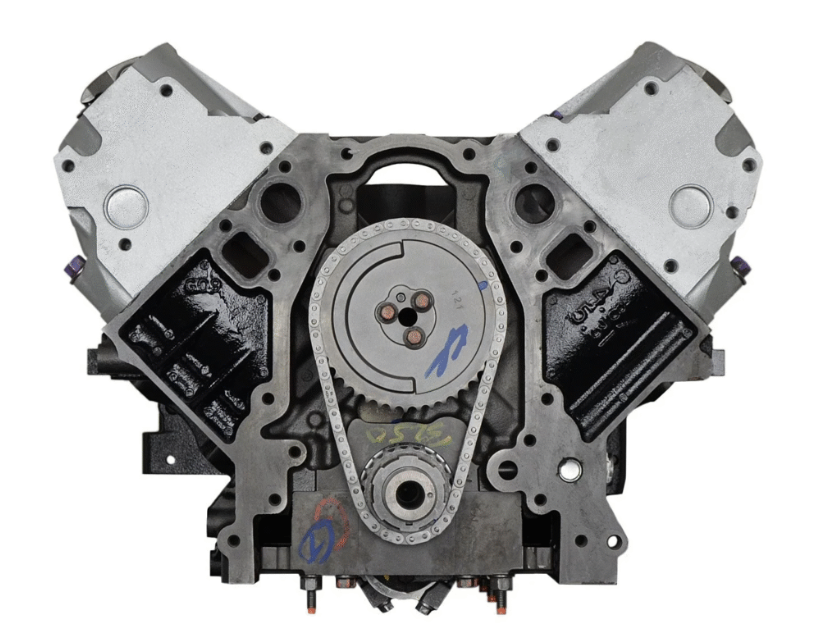

Every enthusiast eventually asks the same question: what is holding my engine back? Modern factory engines are impressive in terms of reliability and efficiency, but they are almost always designed with compromises. Understanding what limits horsepower on a stock engine can help you make smarter upgrade decisions and get the most performance for your investment.
This article explains the most common horsepower limitations in stock engines and where performance gains are typically found.
One of the biggest factors that limits horsepower is airflow. An engine is essentially an air pump. The more efficiently it can move air in and out, the more power it can produce.
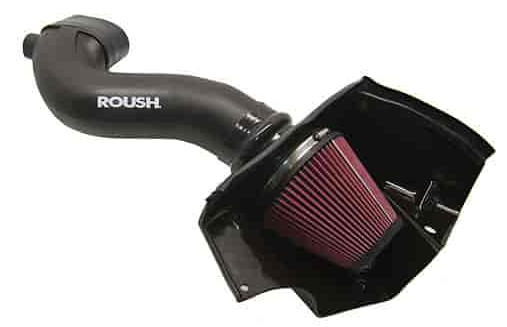
Factory air intake systems are often designed for quiet operation and emissions compliance. Stock air boxes, restrictive intake tubing, and small throttle bodies can limit how much air reaches the engine. On the exhaust side, factory manifolds, catalytic converters, and mufflers may restrict flow to reduce noise and emissions.
Improving intake and exhaust flow is often one of the first steps in increasing horsepower.
Stock engine tuning is designed to balance power, fuel economy, emissions, and long term durability. Manufacturers often leave a margin of safety in ignition timing, air and fuel ratios, and boost levels in turbocharged applications.
This conservative tuning protects the engine under a wide range of conditions, including poor fuel quality and extreme temperatures. Performance tuning can unlock additional horsepower by optimizing these parameters within safe limits.
The internal design of a stock engine plays a major role in its horsepower potential. Compression ratio, camshaft profile, valve size, and cylinder head design all affect how efficiently the engine can produce power.
Stock camshafts are typically designed for smooth idle and good low speed drivability. Performance camshafts with increased lift and duration can significantly improve airflow at higher engine speeds, increasing horsepower.
Similarly, stock pistons and rods are built for durability and cost efficiency, not maximum power output.

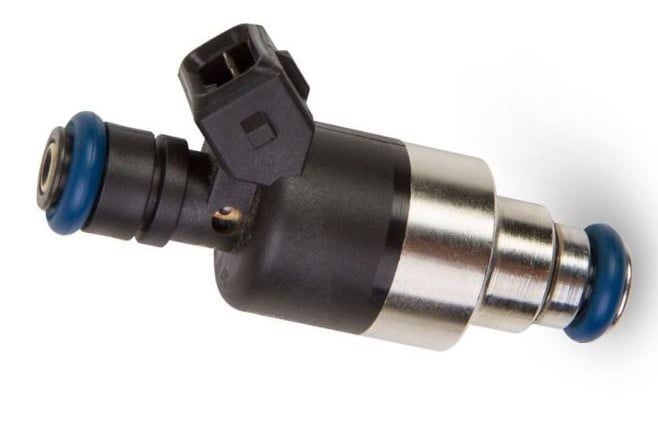
The fuel system must supply enough fuel to match the increased airflow when horsepower rises. Stock fuel injectors and fuel pumps are sized to support factory power levels.
Once airflow increases, the stock fuel system can become a bottleneck. Insufficient fuel delivery can limit horsepower and create lean conditions that risk engine damage.
Upgrading fuel injectors, fuel pumps, and related components ensures the engine receives adequate fuel for higher power levels.
Sign up now to join the JEGS email newsletter and be the first to learn about new products, special deals and e-mail only offers!
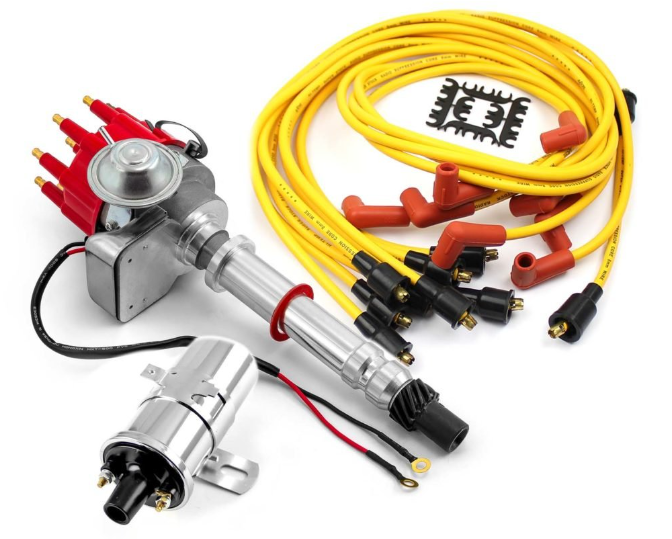
A strong ignition system is essential for efficient combustion, especially as cylinder pressures increase. Stock ignition components are typically adequate for factory horsepower, but may struggle in high performance applications.
Upgraded ignition coils, spark plugs, and related components can help maintain consistent spark energy as power levels rise.
Manufacturers design stock engines to meet warranty requirements and last for many miles under normal use. Internal components such as pistons, connecting rods, crankshafts, and head gaskets are selected to handle factory power levels with a margin of safety.
Pushing horsepower significantly beyond stock levels can stress these components. For serious power increases, internal upgrades may be necessary to maintain reliability.
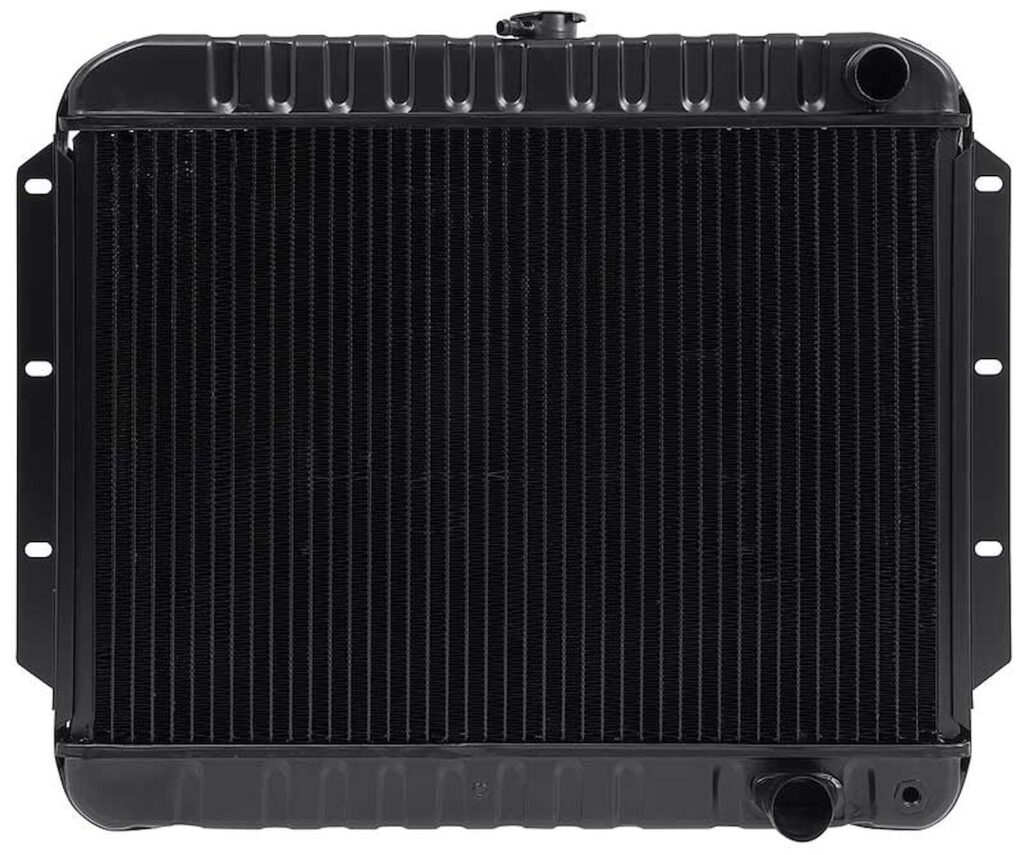
As horsepower increases, so does heat. Stock cooling systems are engineered for factory output. Higher power levels generate more heat in the combustion chambers, oil system, and transmission.
Without adequate cooling, performance can drop and engine components can suffer damage. Upgraded radiators, oil coolers, and intercoolers are often required in higher horsepower builds.
Modern engines use electronic controls to protect against detonation, overheating, and other damaging conditions. These safeguards can reduce power when certain limits are reached.
While these systems are essential for engine protection, they can also limit peak horsepower in stock form.
Increasing horsepower on a stock engine requires a balanced approach. Improving airflow, optimizing tuning, and upgrading supporting systems such as fuel and ignition can deliver noticeable gains while maintaining reliability.
Choosing components that work together is key. At www.jegs.com, you will find a wide selection of performance air intakes, exhaust systems, camshafts, fuel system upgrades, ignition components, and cooling solutions designed to help you safely increase horsepower.
If you are planning to add power and want to understand the limits of your specific engine, the JEGS Tech Specialists are available to help you select the right parts and build a combination that delivers performance you can feel.




Leave a Reply