Sign up now to join the JEGS email newsletter and be the first to learn about new products, special deals and e-mail only offers!

 16 People Found This Article Helpful
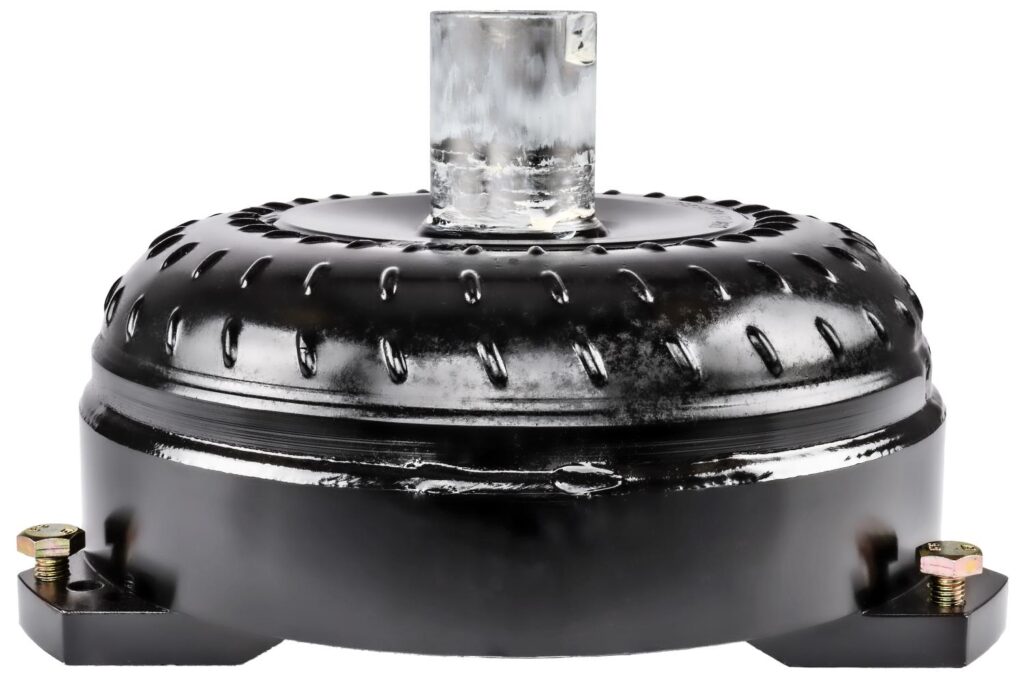

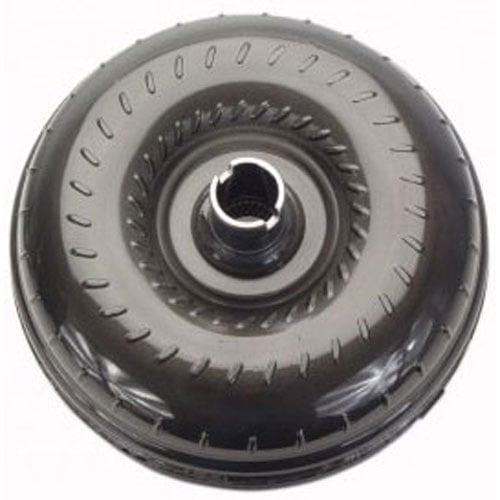

The torque converter is one of those unsung heroes of the automatic transmission world. A fluid coupling allows your car to remain in gear while stopped, providing powerful acceleration when you step on the gas pedal. Most automatic transmission-equipped cars have a torque converter unless you’ve got a dual-clutch automatic transmission or an automated manual transmission. These gearboxes use clutches and clutch packs instead of the torque converter.
Thanks to the nature of fluid coupling, the torque converter transmits very little torque from the engine to the wheels at idle. That’s why you can have your car in Drive at the traffic lights and hold it there with very light pressure on the brake pedal. It’s also why most automatic transmission-equipped cars tend to ‘creep’ forward on level ground when you release the brake pedal while the transmission is in drive.
As you step off the brake pedal and step onto the gas, the engine's RPM increases. We won’t go into specifics, but the increased rotation on the intake shaft results in a stronger turning effect on the output shaft. Hence, your car starts to accelerate.
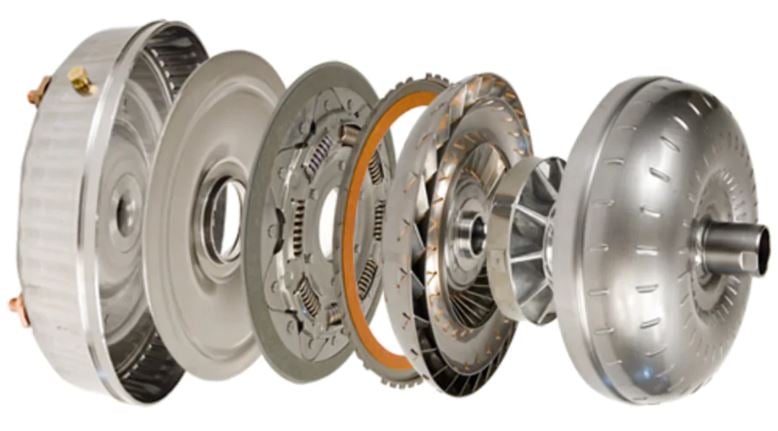
Because of the fluid nature of the coupling, a torque converter will never fully transmit all the engine's power to the wheels. There will always be some power loss, usually dissipated as heat. That’s why automatic transmissions get worse gas mileage than equivalent manual transmission vehicles.
Some automakers address this issue with lockup clutches, which physically lock the torque converter's rotating parts together once the car has started moving. Others add more gears to the transmission since you can offer a broader range of ratios for increased efficiency. It’s not uncommon for some cars and trucks to come with nine or 10-speed automatic transmissions.
When you upgrade your vehicle’s performance, particularly in enhancing your engine’s power and torque, you must also look at the torque converter. Since this component deals with a lot of power and generates significant heat, it’s not uncommon for the torque converter to bear the brunt of a modified engine and fail. Thankfully, we’re here to help, and we’ll tell you about some torque converter manufacturers from the USA.
When selecting the right torque converter, it's essential to consider factors like engine size, horsepower, and vehicle usage. For street vehicles, a torque converter with a stall speed that matches your engine's RPM at idle is ideal for smooth performance. For high-performance or racing applications, a higher stall speed converter helps achieve optimal power delivery by allowing the engine to reach its peak torque quickly. Additionally, choosing a converter from trusted Made in USA torque converter manufacturers ensures quality and durability. Look for converters built with high-strength materials and designed to handle extreme stress, heat, and power output. If you have an aftermarket camshaft, the manufacturer will provide the recommended stall speed needed.
Selecting the correct torque converter is very important, read our "How To Select The Correct Torque Converter" tech article for a deep dive on properly matching your engine to this important component.
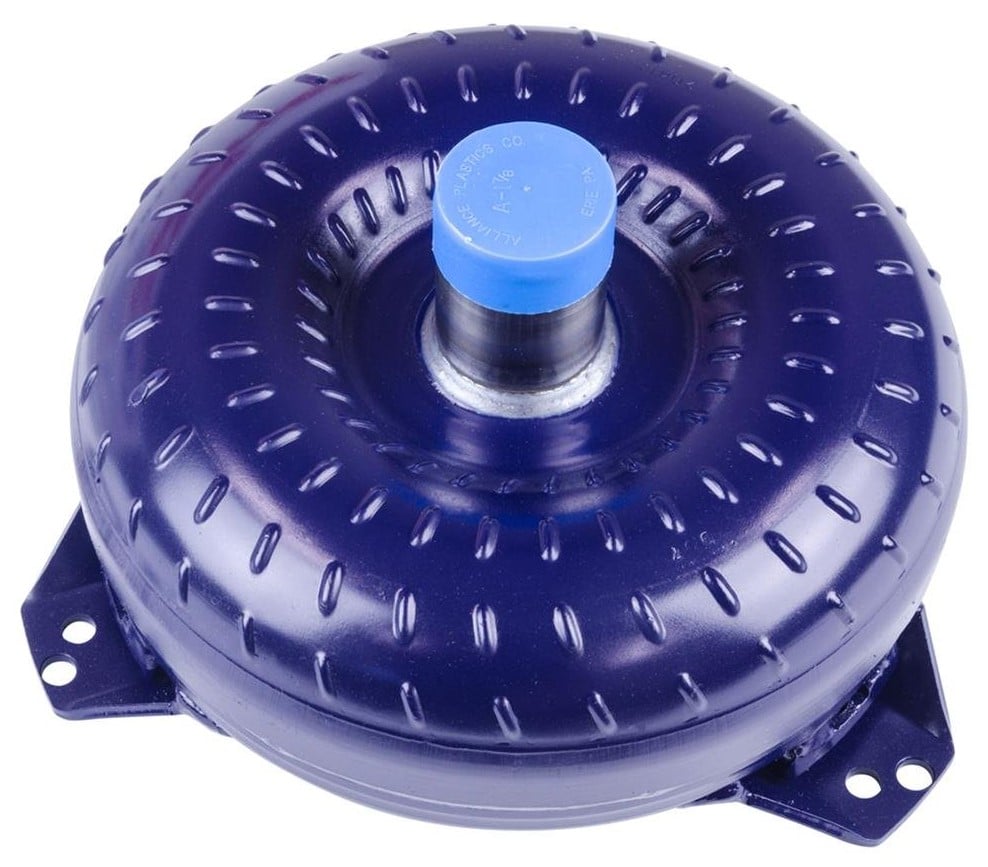
Made-in-USA torque converters offer several key benefits, starting with superior craftsmanship and stringent quality control standards. American manufacturers are known for using high-grade materials, such as heat-treated steel and advanced friction components, which enhance durability and performance. These converters are built to withstand the rigors of high-stress driving, making them ideal for everything from daily drivers to high-performance race cars. Additionally, purchasing a torque converter made in the USA supports domestic jobs and manufacturing, while also ensuring easier access to customer service and warranties from reputable brands. When it comes to reliability and long-term value, Made-in-USA torque converters are a smart investment.
Are you looking to maintain a made-in-USA ethos as far as possible with your vehicle’s upgrade journey? If so, a few manufacturers make torque converters in the USA.
Why not consider our own JEGS brand? Our products may be wallet-friendly, but they’re built tough. If you’re after something more advanced, we’ve got options from renowned manufacturers such as B&M and TCI for you to consider. Once again, they’re products made in the USA. Our list of the four best American-made USA torque converter options is coming up.


Sign up now to join the JEGS email newsletter and be the first to learn about new products, special deals and e-mail only offers!
Are you looking to buy a torque converter but want something made in the USA? Here’s our pick of the four best torque converter manufacturers in the USA you can find. The list isn’t exhaustive, nor is it ranked in any way. All four are available with us; if they are out of stock, just reach out, and we’ll gladly assist.
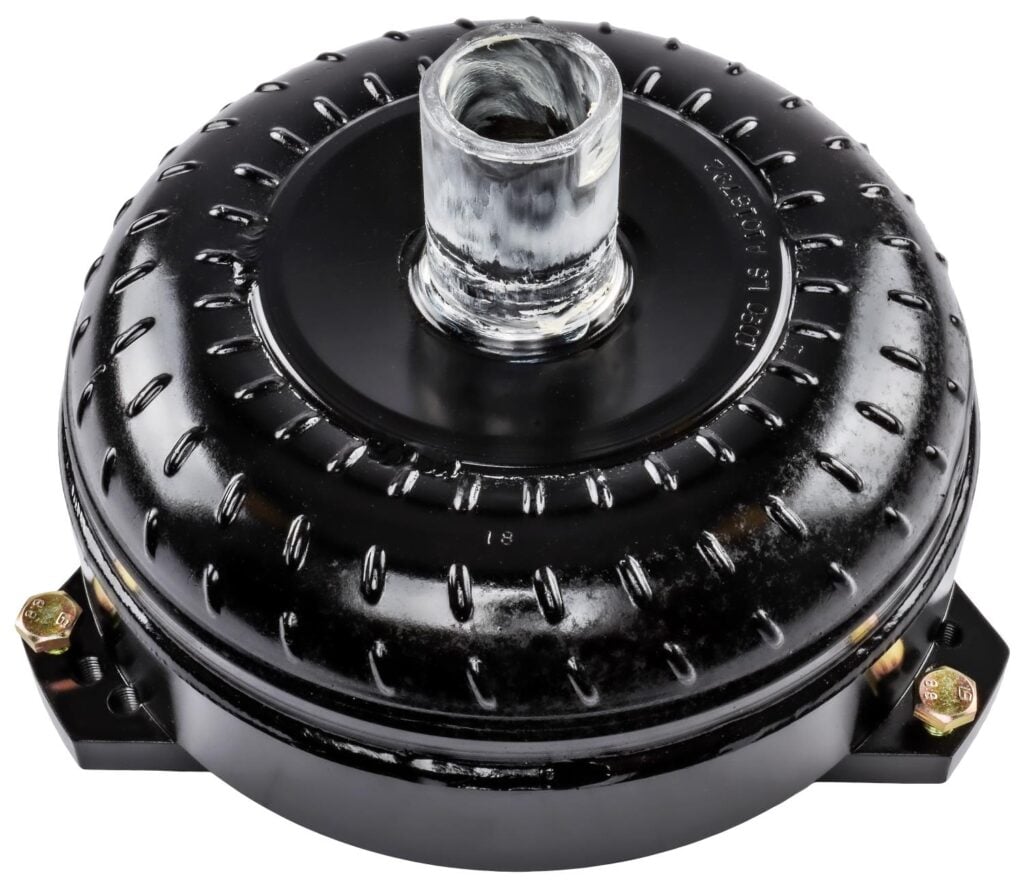
This popular Billet Torque Converter is designed to fit the popular GM4L80E and 4L85E transmission and is mated to the famous LS series of engines. It has a stall speed of between 2,900 and 3,200rpm and can handle up to 800 horsepower.
This torque converter has an oversized lock-up plate and is 10 inches in diameter. For better efficiency, it is made from industrial Torrington-type encased needle bearings, customized turbine hubs, and unique impeller fins.
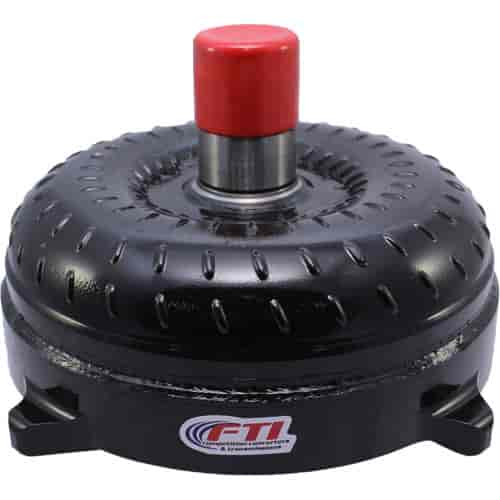
Specializing in custom torque converters, FTI Performance builds converters for drag racing, street/strip, and off-road vehicles. Their converters are engineered for maximum efficiency and power transfer
This solid offering from TCI is another product proudly made in the USA. Designed for the popular GM 700R4 automatic transmission and the GM 4L60E, it offers a stall speed between 2,400 and 2,600rpm.
TCI says these torque converters have been engineered and computer-balanced to offer a great blend of highway efficiency and wide-open throttle launching. They feature furnace-brazed fins, needle bearings, and a hardened, pre-ground pump hub.
Claimed benefits include quicker acceleration, improved low-end power, and harder launches. Note that these torque converters are not compatible with LS1 and LS2 engines.
Known for their precision-built torque converters designed for street, strip, and racing applications, Hughes Performance offers products that are rigorously tested for durability and high-stress performance.

Our torque converter is another excellent product with quality features and a Made in America tag. It’s designed for the street enthusiast, with its 2,200 to 2,800rpm stall speed. With a 12-inch diameter and 30-spline, it’s got a 10.750-inch diameter bolt circle. Note that there’s no anti-balloon plate, which is recommended for boosted or nitrous-powered vehicles.
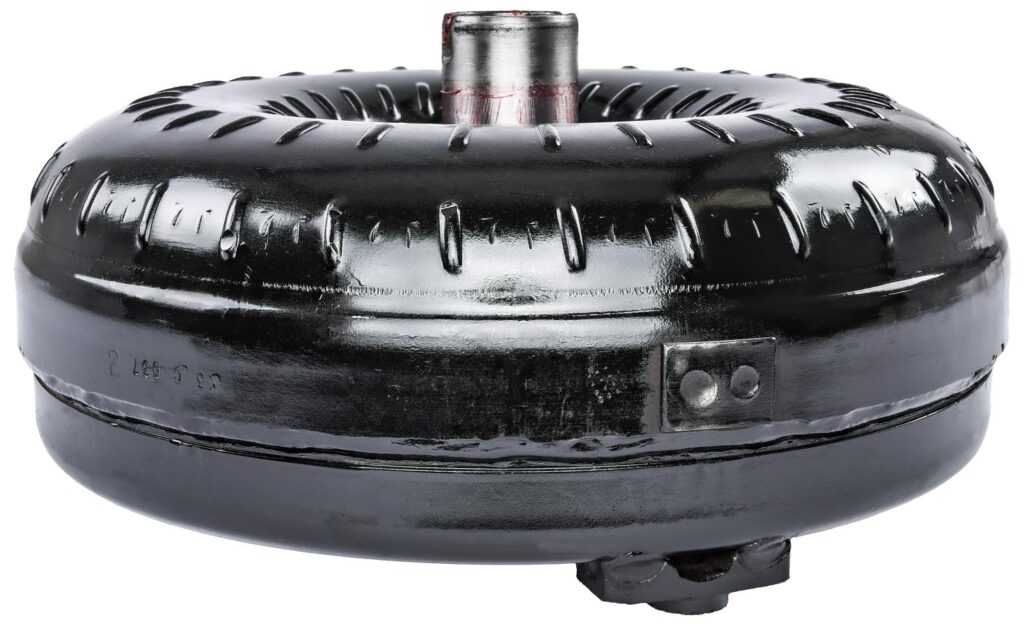
B&M is a renowned aftermarket performance parts maker, and their Holeshot 3200 Torque Converter fits a wide array of transmissions. Supported transmissions include the GM TH425, TH400, TH375, TH375B, and TH350. Note that the TH350C is not supported. The stall speed varies between 3,000 and 3,400 rpm.
This torque converter is made in the USA and has been precision balanced on certified balance equipment. It features a copper furnace-brazed impeller and turbine, plus a new precision alloy steel impeller hub.
Upgrading your torque converter? Hang on; you might need to beef up other components, too. Thankfully, JEGS is here to help. With over half a century of experience in hot-rodding, resto-modding, and everything in between, we can help you with your performance enhancement journey. Talk to our experts, and they’ll recommend the best components that will work together and provide hassle-free performance.

Great article! It does a good job explaining why torque converters are such an important part of automatic transmissions and how upgrading them can improve acceleration and overall performance. I like how the guide highlights the advantages of choosing Made-in-USA torque converters, including stronger materials, better quality control, and durability under high heat and power loads. The overview of reputable manufacturers such as JEGS, B&M, TCI Automotive, and Hughes Performance also makes it easier for enthusiasts to identify trusted options when upgrading their drivetrain components. Overall, it’s a helpful resource for anyone looking to improve power transfer and reliability in a performance vehicle.




Leave a Reply