


 Order Status & Returns
 Gift Cards
 Help Center
 1-800-345-4545

![Torque Converter for Ford C4 [2300-2500 RPM Stall]](https://www.jegs.com/images/mini_750/500/555/555-60407.jpg)
 Vehicle Info Needed
JEGSPART NUMBER: 555-60407
Torque Converter for Ford C4 [2300-2500 RPM Stall]
$29999$323.99You Save$24.00
More than 10 available Ships Tomorrow
 Lowest Price Guarantee
Ford C4
Torque ConverterFits Ford C4 Transmissions 2300-2500 RPM Stall Speed 10 in. Diameter, 26-Spline Input 10.500 in. Bolt Circle, 1.375 in. Crank Pilot Requires 3/8-16 Grade 8 Bolts Rated to 500 HP
JEGS 555-60407 Ford C4 Torque Converter Features:
- Fits 1970-1981 Ford C4 Transmissions
- 2300-2500 RPM Stall Speed
- 10 in. Diameter
- 26-Spline Input Shaft
- 10.500 in. Flexplate Bolt Circle
- 1.375 in. Crank Pilot
- Hardened Chrome Moly Impeller Hub
- Torrington Style Encased Bearings
- Modified Extreme Duty Stator
- No Anti-Ballooning Plate
- Four-Corner Tac-Welded or Furnace-Brazed Fins
- 3 Welded Pads with 3/8-16 Threads for Attaching the Converter Bolts
- Leak and Pressure Tested
- Digitally Balanced
- Rated for Use up to 500 HP
JEGS 555-60407 Ford C4 Torque Converter Notes:
- All Stall RPMs Will Vary Depending on Engine Set-Up, Vehicle Weight, Gear Ratio, and Tire Height
- Fits 1970-1981 C4 Using the Case-Fill Dipstick
- For Use with Grade-8 Hardware Only
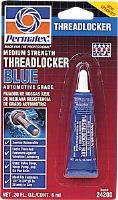
- Use Blue Loctite on the Torque Converter Bolts
- Use Type F Transmission Fluid for Best Results
- An Additional Transmission Cooler is Recommended
High-Performance Street/Strip Torque Converters for Cars and Trucks
JEGS Street/Strip Performance Torque Converters are top-of-the-line products made with high-quality components and assembled using the latest converter technology. Designed to handle up to 500 horsepower, these JEGS Performance Torque Converters are OEM factory-sized, ensuring lower operating temperatures and optimal torque multiplication. They are available for Chrysler/Dodge, Ford, and GM transmissions in various stall ranges to meet your performance requirements. JEGS converters are not designed for nitrous, turbo, or blower applications. JEGS converters are not designed for nitrous, turbo, or blower applications.
JEGS Also Offers These Optional Performance Torque ConvertersPart TypeAutomatic Transmission Torque Converter
Product LineJEGS Street/Strip Performance Torque Converters
BrandJEGS
Package Height7.8
Package Width13.1
Package Length13.2
Weight21.5 PG
Anti-Ballooning PlateNo
Part CategoryPerformance Parts
Crank Pilot Diameter1.375 in (34.925 mm)
Stall Speed (Rpm)2300-2500
Converter Bolt Pattern10.5 in (266.7 mm)
Horsepower500
QuantitySold as a kit
Transmission Mfr. CodeC4
MakeFord
LockupNo
Part FitmentSemi Universal
Flash Stall Speed (Rpm)2500
Converter Input Spline26
Diameter10 in (254 mm)
Package Qty1
Package TypeEA
No Questions
No Reviews
Items You Need
![Quick Shift Automatic Transmission Fluid [1-quart]](https://www.jegs.com/images/mini_200/500/555/555-28070.jpg)
JEGS
Quick Shift Automatic Transmission Fluid [1-quart]
Part Number : 555-28070
$1099$12.99
You Save$2.00
![Quick Shift Automatic Transmission Fluid [1-gallon]](https://www.jegs.com/images/mini_200/500/555/555-28071.jpg)
JEGS
Quick Shift Automatic Transmission Fluid [1-gallon]
Part Number : 555-28071
$4499$51.99
You Save$7.00
![Quick Shift Automatic Transmission Fluid [(3) 1-Gallon Jugs]](https://www.jegs.com/images/mini_200/500/555/555-28072.jpg)
![Transmission Teardown Work Station [1/2-Ton Capacity]](https://www.jegs.com/images/mini_200/500/555/555-81432.jpg)
JEGS
Transmission Teardown Work Station [1/2-Ton Capacity]
Part Number : 555-81432
$49999$574.99
You Save$75.00
JEGS
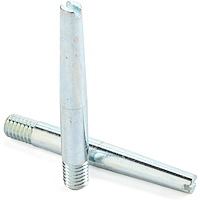
Transmission Guide Dowels 3" Long with Tapered Shape & Slotted Head
Part Number : 555-22010
$1299$16.19
You Save$3.20
![Brake and Parts Cleaner [14 oz. Aerosol Can]](https://www.jegs.com/images/mini_200/500/555/555-72312.jpg)
![Funnel [18 in. Overall Length]](https://www.jegs.com/images/mini_200/500/555/555-w4034.jpg)
![2-Ton Low-Profile Aluminum Floor Jack [4,000 lbs. Capacity]](https://www.jegs.com/images/mini_200/500/555/555-80006.jpg)
JEGS
2-Ton Low-Profile Aluminum Floor Jack [4,000 lbs. Capacity]
Part Number : 555-80006
$20999$269.99
You Save$60.00
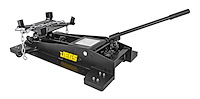
JEGS
Low-Profile Transmission Jack 1000 lb. Capacity
Part Number : 555-79012
$18999$221.39
You Save$31.40
![Wheel Chock [Solid Rubber]](https://www.jegs.com/images/mini_200/500/555/555-w41001.jpg)
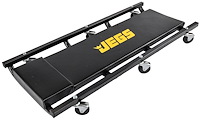
![Mechanic Chair & Step Stool on Wheels [300 lb. Capacity]](https://www.jegs.com/images/mini_200/500/555/555-81156.jpg)
JEGS
Mechanic Chair & Step Stool on Wheels [300 lb. Capacity]
Part Number : 555-81156
$7399$111.99
You Save$38.00
![Fender Cover with Pocket [23 in. W x 31 1/2 in. L]](https://www.jegs.com/images/mini_200/500/555/555-65010.jpg)
JEGS
Fender Cover with Pocket [23 in. W x 31 1/2 in. L]
Part Number : 555-65010
$1499$16.99
You Save$2.00
JEGS
Part Number : 555-28070
$1099$12.99
You Save$2.00
JEGS
Part Number : 555-28071
$4499$51.99
You Save$7.00
Some parts are not legal for use in California or other states with similar laws / regulations